


6 November 2026
Black Pepper Disease Management Agrohomoeopathic Approaches; Self-Reported Field Evidences from Kerala Plantations
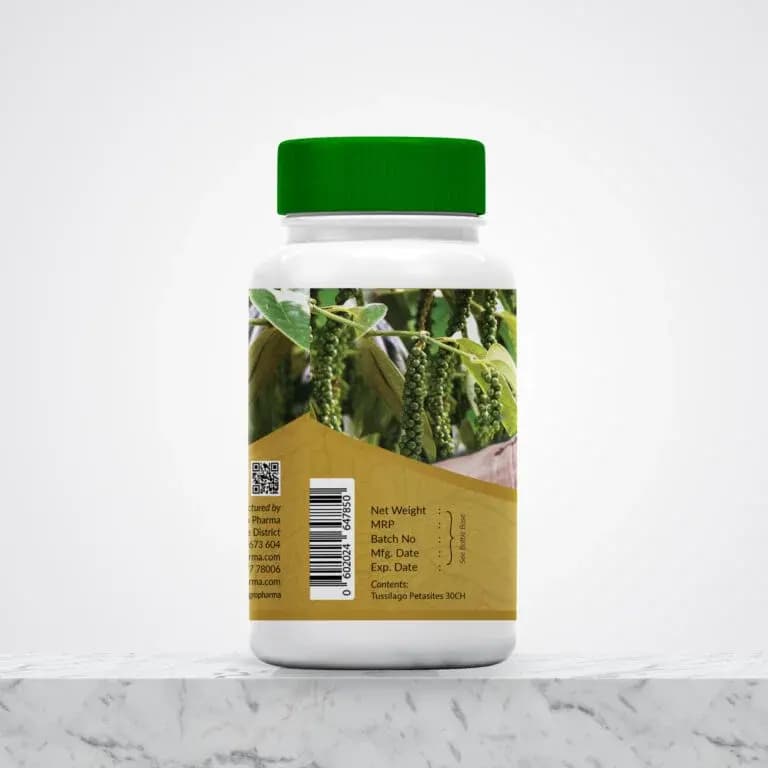
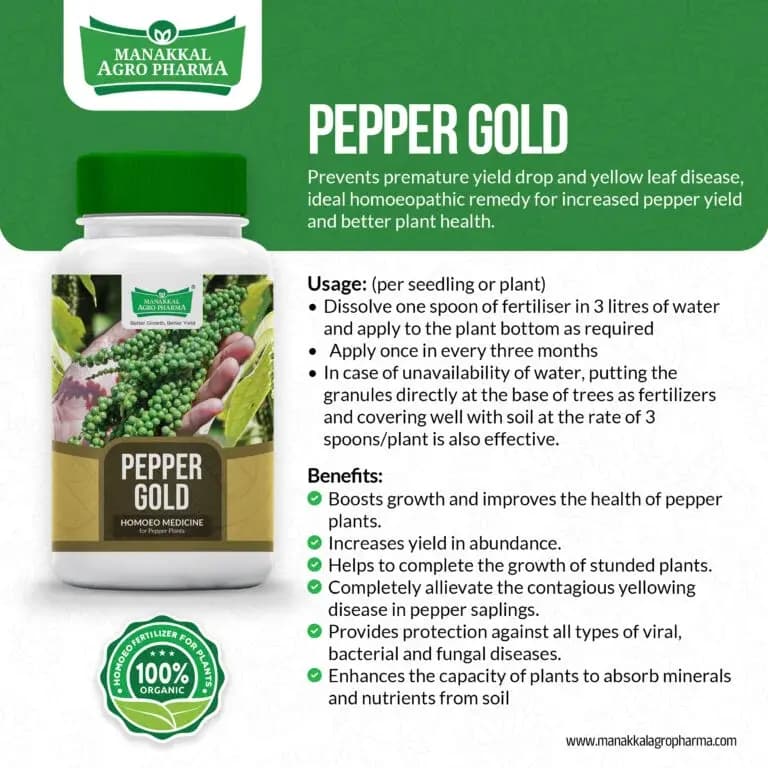
Pepper Gold Restores vine vigour. Enhances productivity.
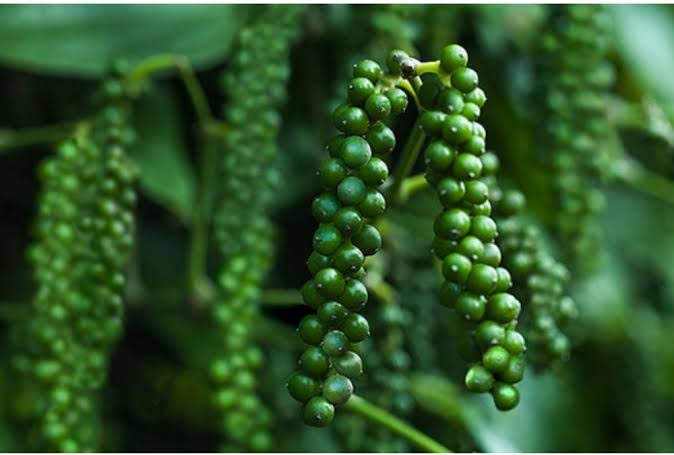
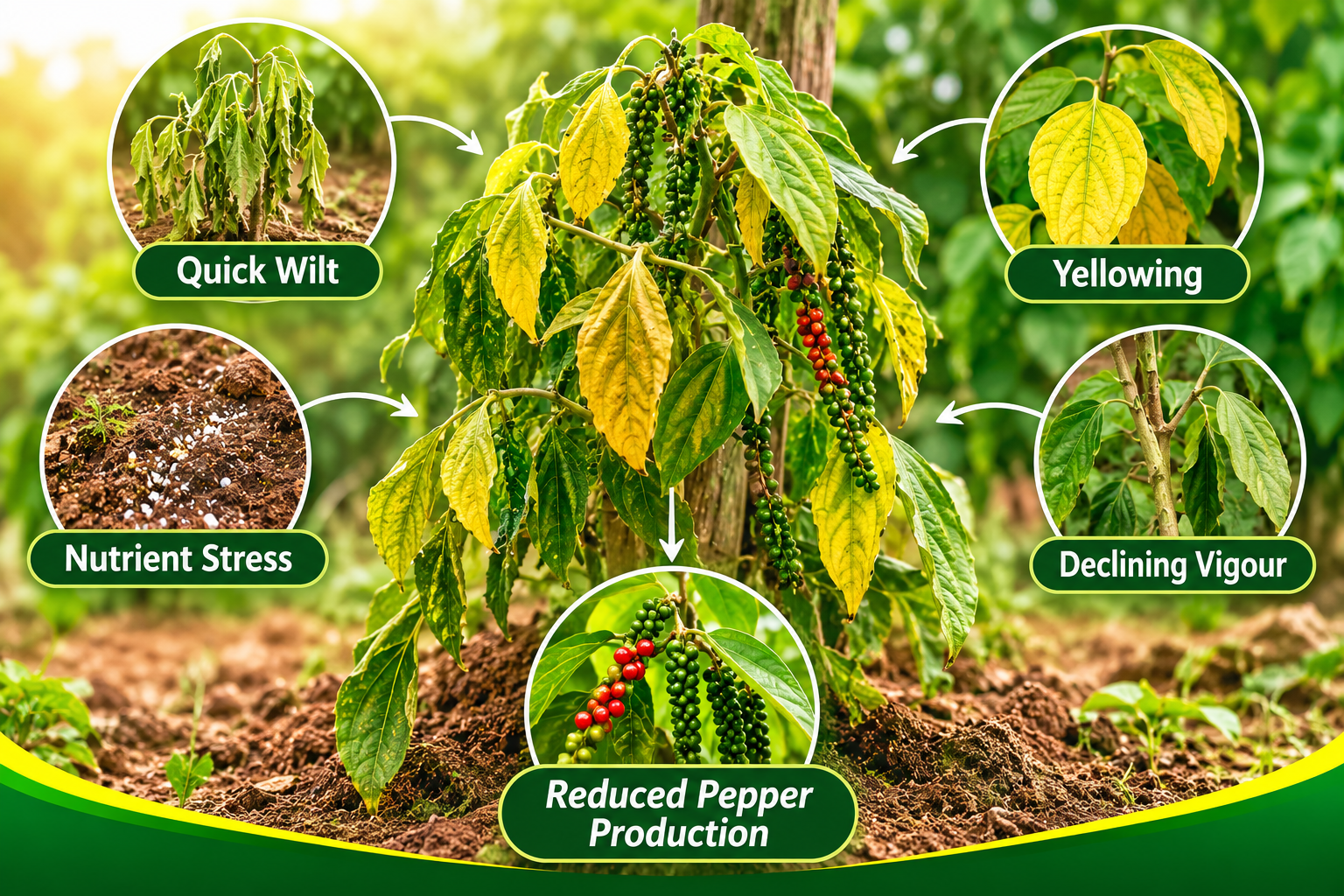
Pepper cultivation in Kerala has increasingly been challenged by quick wilt, yellowing, nutrient stress, declining vigour and reduced pepper production. Conventional chemical fertilisers and fungicides often provide only short-term relief, while contributing to soil degradation and reduced long-term plant resilience. Agrohomoeopathy, a bio-stimulatory method using ultra-diluted formulations to activate plant physiology, has emerged as a promising alternative. This study evaluates the field performance of the agrohomoeopathic formulation Pepper Gold in two major pepper-producing regions—Kannur and Idukki—based on farmer-led applications and on-site observations.
The results demonstrate marked improvements in spike initiation (emergence of young spikes along nodes), chlorophyll density, immune response, cellular activity, adventitious root growth, metabolic regulation and overall yield. Farmers reported accelerated spike development along the rachis, fuller berry formation, complete suppression of quick wilt symptoms and yield increases exceeding 200 per cent in some cases. The findings suggest that Pepper Gold may serve as a sustainable, low-cost and physiologically supportive intervention for pepper cultivation in diverse agro-ecological settings.
Introduction
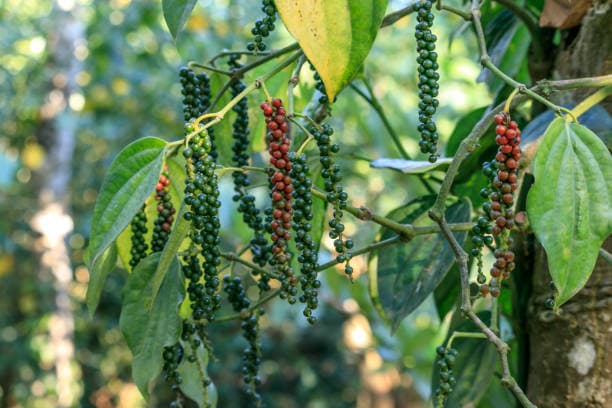
Black pepper (Piper nigrum L.), one of Kerala’s most culturally and economically important crops, is cultivated widely across the Western Ghats. It is mainly grown as a sole crop or intercrop in coconut or areca-nut based cropping system. Kerala contributes 75 percent of the total country’s black pepper production. In recent decades, however, the pepper sector has faced severe challenges. Quick wilt caused by Phytophthora capsici, yellowing syndromes, root degeneration, low spike formation, erratic flowering and nutrient imbalances have become widespread. Many plantations remain dependent on conventional chemical fertilisers and fungicides, which provide temporary symptom suppression but often exacerbate soil exhaustion, reduce microbial diversity, and weaken plant immunity over time.
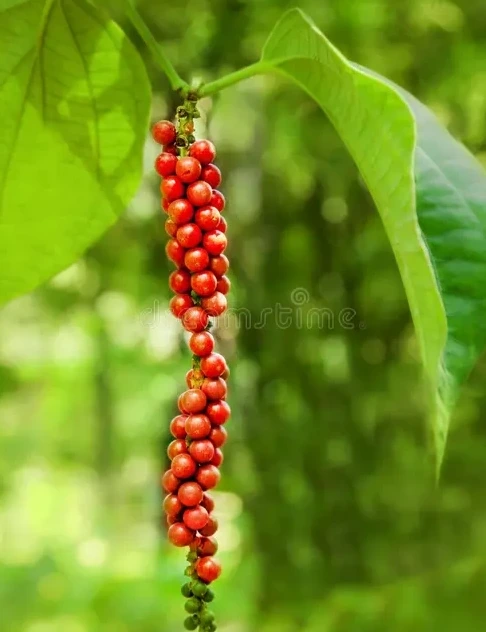
As an alternative, agrohomoeopathy has attracted increasing attention for its potential to restore plant vitality through non-chemical stimulation of physiological pathways. Agrohomoeopathic remedies facilitate metabolic regulation, enzymatic activation, tissue regeneration, root hair proliferation and enhanced nutrient uptake. They also appear to support the structural integrity of pepper vines, including the growth of orthotropic shoots, plagiotropic branches, adventitious roots and the healthy development of spikes—the inflorescences which bear pepper berries along their central rachis and peduncle.
Given these emerging possibilities, this study evaluates the agrohomoeopathic formulation, Pepper Gold through field observations in Kerala, focusing on disease suppression, spike initiation, physiological strengthening and yield improvement.
Table-1 Major Pepper Diseases and their Characteristics
Disease | Causal Agent | Affected Part | Symptoms | Outcome / Impact |
Phytophthora Foot Rot / Quick Wilt | Phytophthora capsici | Collar region, roots, leaves | Sudden wilt, blackening at collar, leaf drop | Rapid plant death, major yield loss |
Slow Decline | Complex of pathogens, nematodes | Roots, canopy | Gradual yellowing, stunted growth | Reduced yield, shortened plant life |
Leaf Yellowing | Nutrient imbalance, root stress | Leaves | Chlorosis, premature leaf drop | Reduced photosynthesis and vigour |
Root Degeneration | Waterlogging, pathogens | Roots | Poor root growth, browning | Decline in uptake and structural strength |
Anthracnose | Colletotrichum gloeosporioides | Leaves, berries | Spots, shrivelling | Quality loss and reduced berry formation |
Materials and Methods
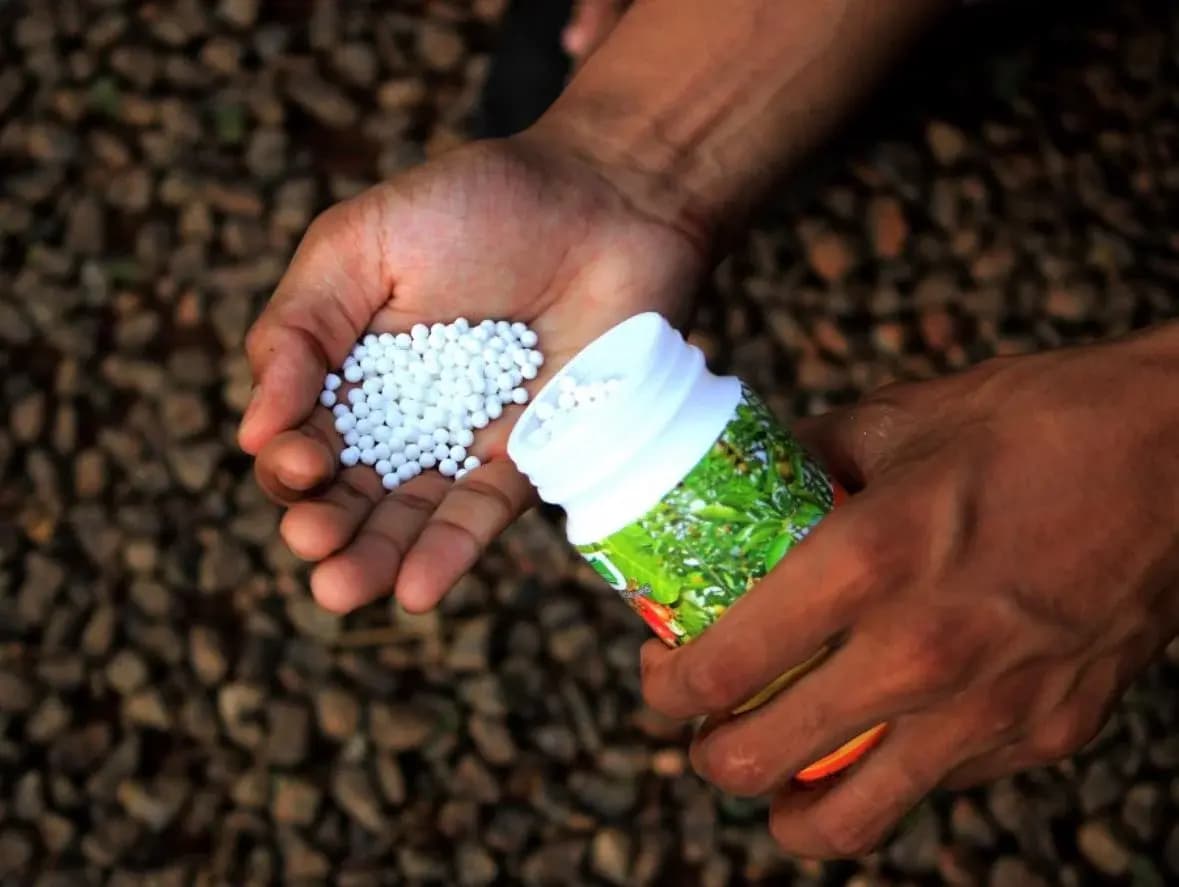
This study is based on longitudinal observations from pepper plantations in Kannur and Idukki where Pepper Gold was independently adopted by farmers. The remedy was typically applied once every 3–4 months by pouring the diluted formulation around the root zone of each vine. One bottle was used for approximately 60 plants, making the application considerably economical compared with chemical fertiliser schedules.
Farmers observe changes in vegetative and reproductive behaviour, including the initiation of young spikes at the nodes, elongation of the rachis, strengthening of the peduncle, spread and sheen of leaves, regeneration of adventitious roots, suppression of wilt symptoms, berry formation along the rachis, and changes in yield. Data were collected through interviews, site visits, videographic documentation and comparative yield notes.
Findings and Inferences
Recovery from Yellowing and Quick Wilt:
Santhosh (Keerithod, Idukki), cultivating pepper for more than five decades, observed visible physiological shifts within 15 days of applying Pepper Gold. Yellowing disappeared entirely, chlorophyll density markedly increased and the vines regained vigour. Quick wilt symptoms, including drooping leaves, darkened stems and collapsing root systems, were completely arrested. Previously, chemical fertilisers yielded only 25–30 kg per season, whereas after applying Pepper Gold, yields reached approximately 100 kg—nearly a fourfold increase.
Enhanced Spike Production and Early Fruiting:
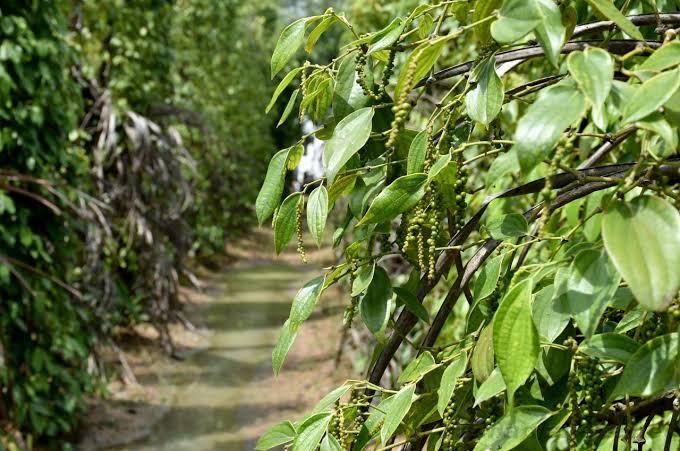
Across plantations, farmers noted the rapid emergence of young spikes at the leaf nodes. These spikes lengthened steadily along a strengthened rachis, supporting uniform berry set. Jose (Chember, Kannur), a farmer with 40 years of experience, reported a 20–30 per cent increase in profitability due to improved spike density, immune strength and a substantial rise in flowering. In one instance, 18-month-old vines reached over 18 feet in height and began bearing healthy spikes earlier than expected.
Root-Hair Proliferation and Improved Soil Utilisation:
The remedy facilitated vigorous development of adventitious feeder roots, enhancing absorption even in soils with average nutrient availability. Farmers reported that even during limited watering periods, the vines maintained turgidity and resisted stress. Regeneration of feeder roots and root-hair improved nutrient and moisture uptake, ultimately supporting stronger spike development and berry formation.
Cellular and Physiological Activation:
Field observations suggest that Pepper Gold stimulates enzymatic activity, metabolic regulation and intracellular signalling essential for health recovery. The vines displayed thicker stems, smoother internodes, healthier foliage with increased gloss and improved tolerance to fungal and stress pressures. The physiological stimulation appears to extend to the berry-setting phase, with fuller drupes (berries) forming along the rachis.
Yield Enhancement and Cost Reduction:
Both farmers highlighted significant cost savings. Santhosh achieved a fourfold increase in yield with only ₹6 spent per plant—considerably lower than conventional chemical fertiliser application. The uniformity of spikes and berries also improved market value, making Pepper Gold economically attractive.
Discussion
The results indicate that agrohomoeopathic intervention supports pepper physiology beyond mere disease suppression. By enhancing cellular functions—such as enzymatic activation, nutrient uptake, tissue repair and immunity—Pepper Gold enables vines to overcome stress conditions and re-establish normal growth patterns. The strengthening of the orthotropic shoot, plagiotropic branches, and adventitious roots contributes to better overall architecture, while stimulation of spike initiation supports robust reproductive output.
The complete disappearance of wilt symptoms in certain plantations suggests a potential systemic mode of action. Improvements in chlorophyll expression indicate restored metabolic efficiency. The fact that vines responded positively even in nutrient-depleted soils highlights the remedy’s ability to enhance soil integrity and health.
While farmer-led studies have limitations—such as lack of controlled variables—the uniformity and rapidity of responses across geographically separate plantations provide strong preliminary evidence supporting the efficacy of agrohomoeopathic methods.
Limitations
Long-term, replicated studies are necessary to quantify effects on enzymatic pathways, hormonal signalling, cellular activity and root physiology. Pathogen-load assessments and comparative trials with conventional methods will strengthen scientific understanding.
Conclusion
The agrohomoeopathic formulation Pepper Gold demonstrates substantial potential in strengthening pepper vines, enhancing spike initiation, restoring physiological balance, suppressing major diseases such as quick wilt, and improving yield in economically meaningful ways. Its affordability, simplicity of application and compatibility with sustainable agriculture make it a promising intervention for Kerala’s pepper sector. Further scientific studies are warranted to elucidate its precise physiological mechanisms and broaden its application in diverse agroecological conditions.
Buy now : https://manakkalagropharma.com/product/pepper-gold