
















6 November 2026
Agrohomoeopathic Organic-Stimulus in Coffee (Coffea arabica) for Productivity and Plant Health: A Case Study from Wayanad
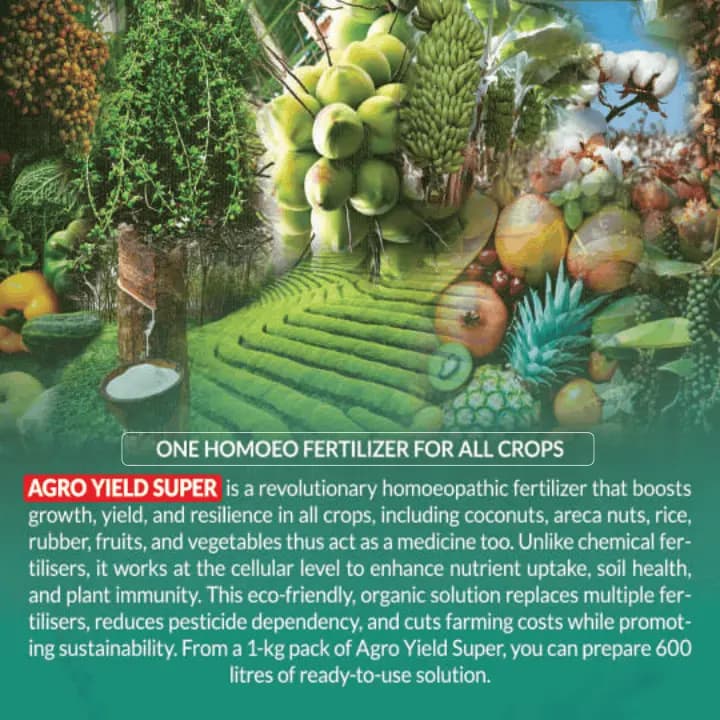
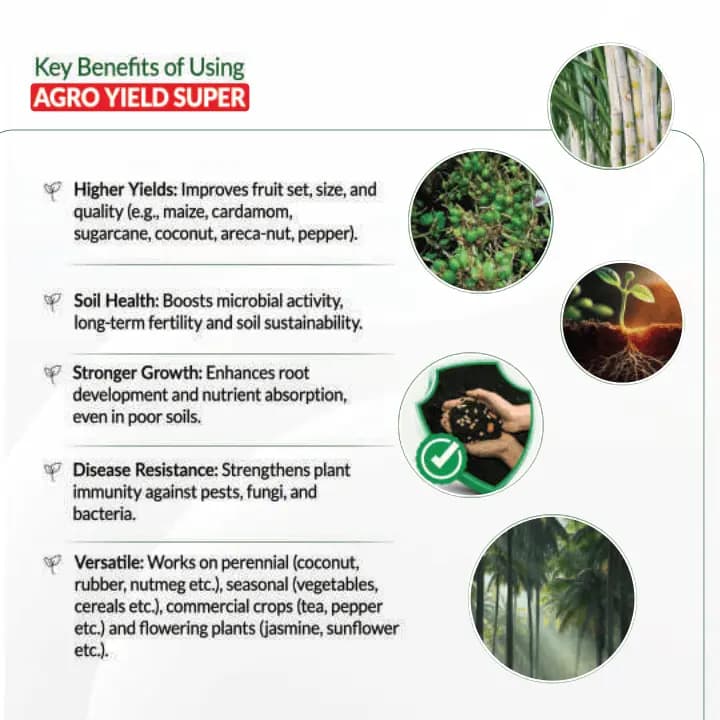
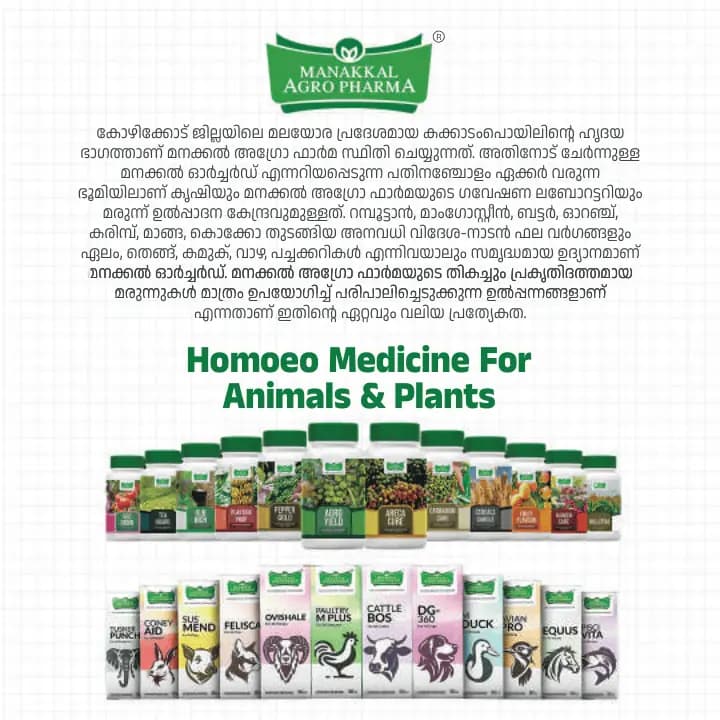
Agro Yield supports plant vitality, soil health, and enhanced productivity under organic cultivation.
Sustainable coffee production in Kerala faces increasing challenges arising from soil exhaustion, nutrient imbalance, disease susceptibility and climate-related stress. Agrohomoeopathy an emerging, non-chemical plant-care approach offers a potential alternative by stimulating physiological, enzymatic and soil–biological processes using highly diluted organic formulations. This study presents a detailed case analysis from a long-standing organic coffee farm in Pulpally, Wayanad, where the agrohomoeopathic formulation Agro Yield was applied. The farm, historically yielding approximately six tonnes of coffee beans per season, recorded a rise to 12–13 tonnes following the intervention. Field observations and soil test records indicated improved soil structure, enhanced mineral availability, stronger immunity, and marked reductions in disease incidence. The findings suggest that the agrohomoeopathic formulation Agro Yield contributes to improved plant vitality and productivity under organic cultivation systems, warranting further controlled trials and physiological studies.
Introduction
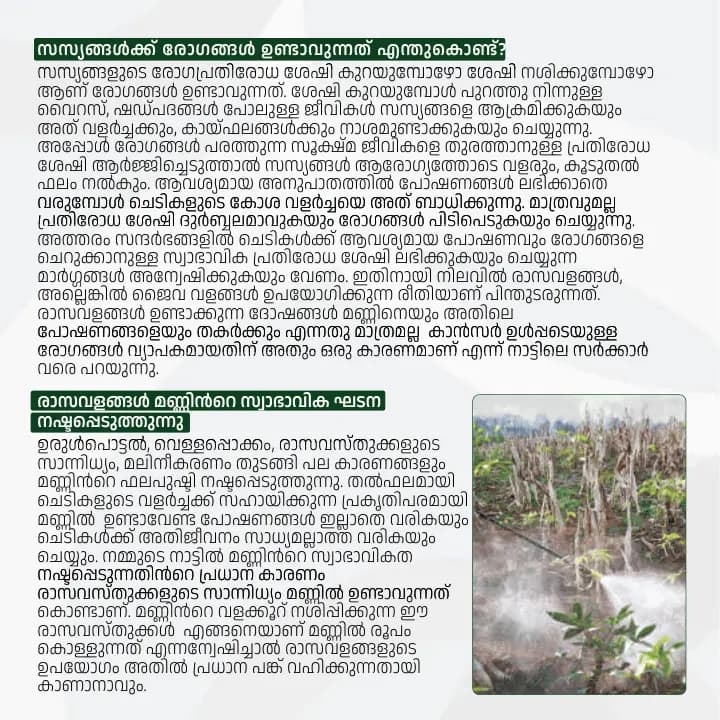
Coffee farming in Kerala, particularly in the Western Ghats belt of Wayanad is characterised by small and medium-scale holdings, nutrient-sensitive soils and significant disease pressure from pests, fungal infections and physiological disorders. Long-term organic cultivation, although environmentally desirable, often leads to gradual soil fatigue, micro-nutrient deficiencies, reduced microbial activity and declining yields if not supplemented by restorative practices.
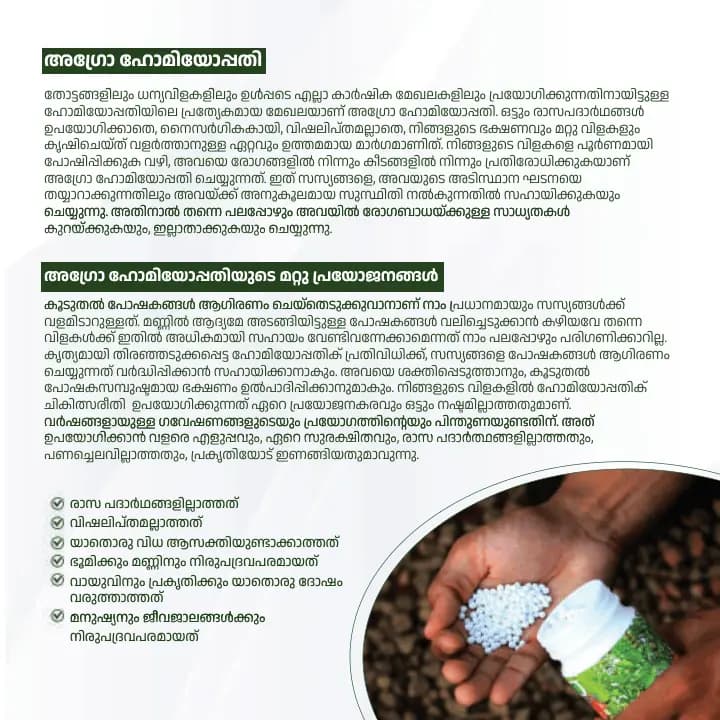
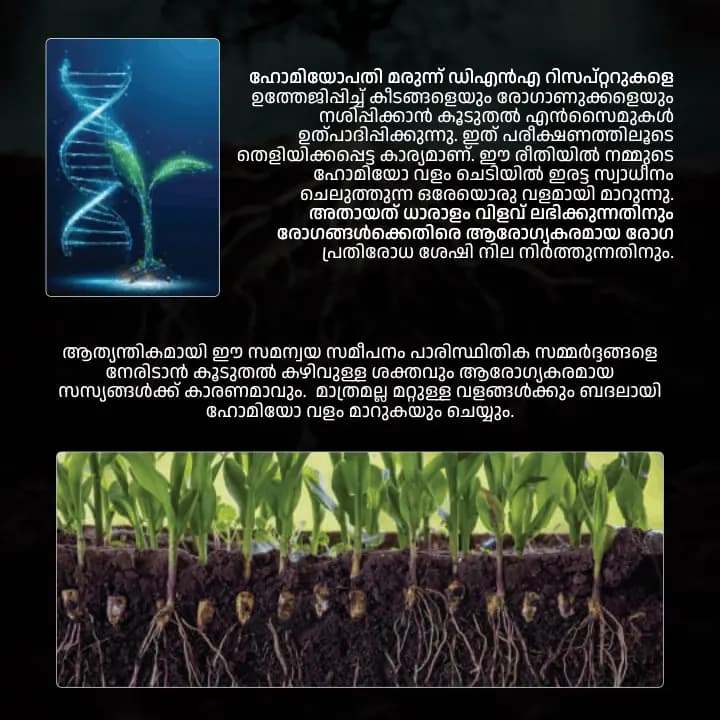
In recent years, agrohomoeopathy has gained attention as a sustainable plant-care strategy. Unlike chemical fertilisers or systemic pesticides, agrohomoeopathic remedies function through bio-regulatory stimulation rather than direct nutrient addition. They activate plant metabolic processes, enhance enzymatic pathways, promote root hair proliferation, strengthen systemic resistance and support beneficial soil–microbial interactions. These effects may collectively revitalise older plantations experiencing stagnation.
This study documents a detailed field case from Pulpally, Wayanad, examining the performance of an agrohomoeopathic formulation, Agro Yield, in an established organic coffee plantation.

Materials and Methods
Study Site and Farming Background: The case study was conducted on a six-acre coffee plantation in Pulpally, Wayanad, Kerala. The farmer, Srinivasan, represents a lineage of over sixty years of organic farming, with thirty years of direct experience. The estate is cultivated without chemical fertilisers or synthetic pesticides.
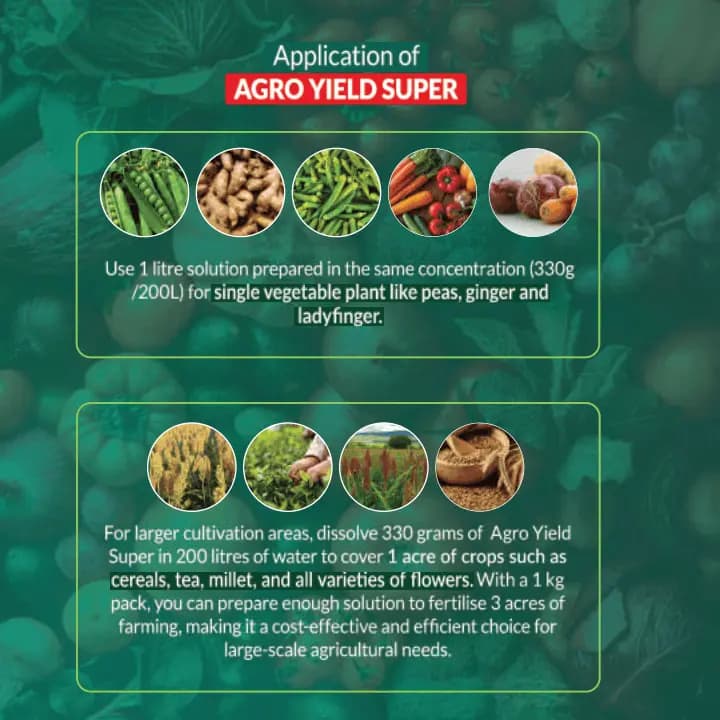
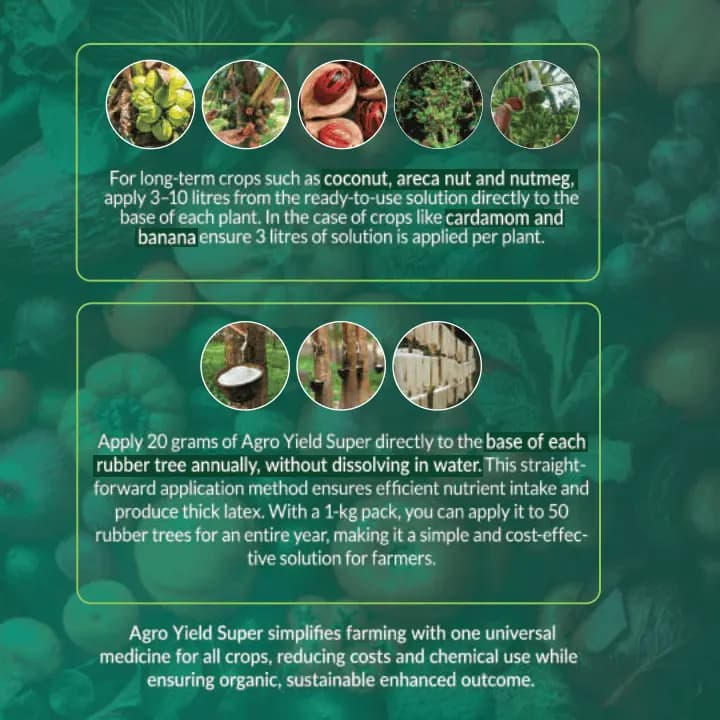
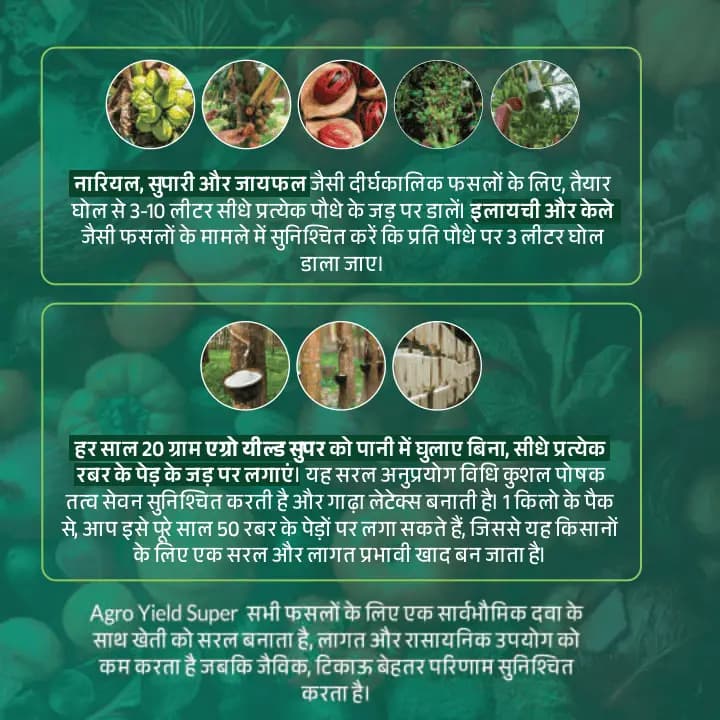
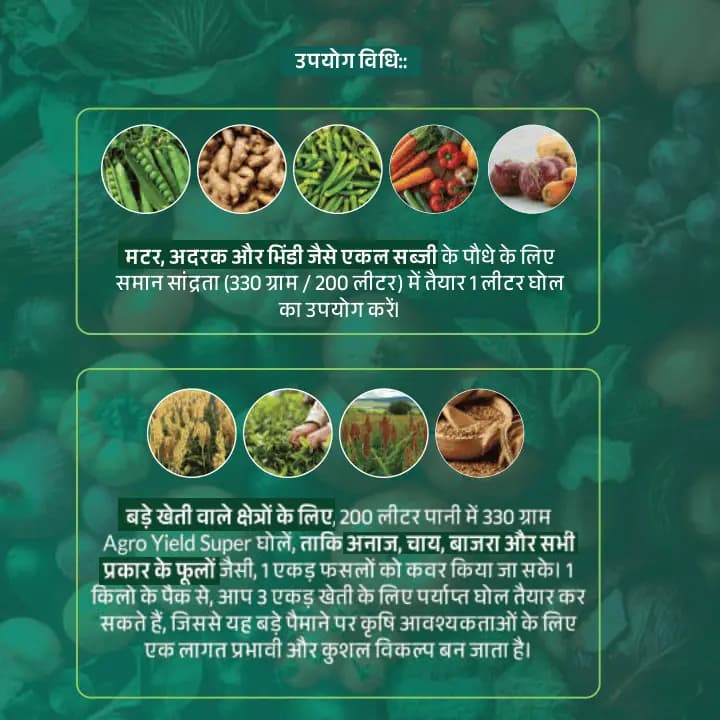
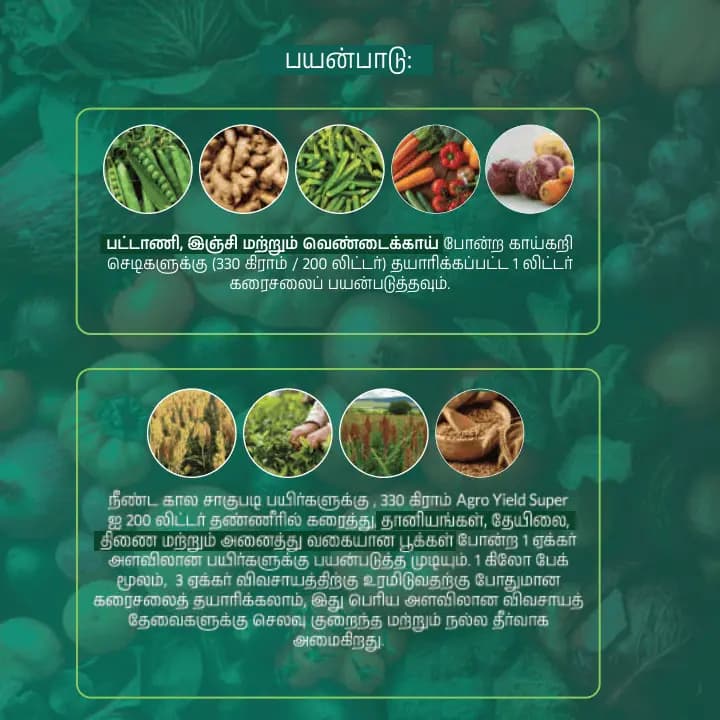
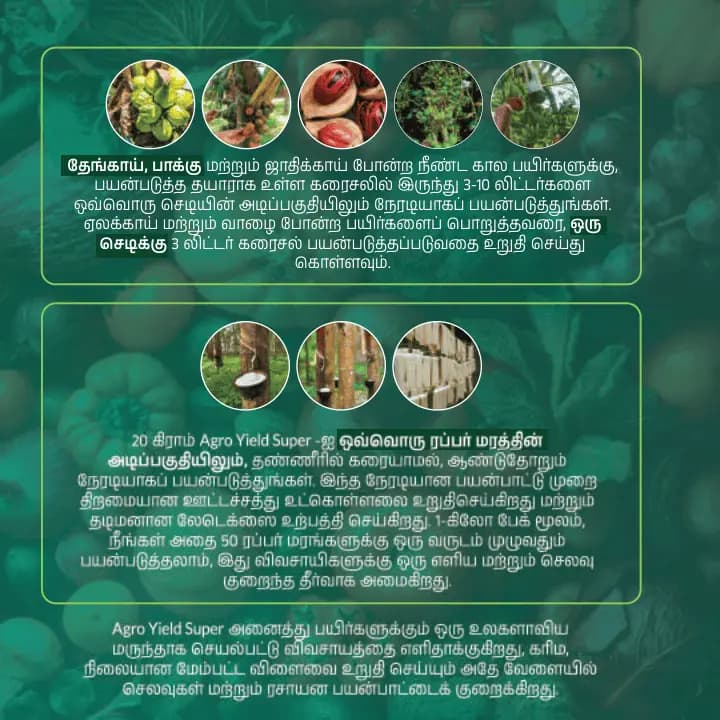
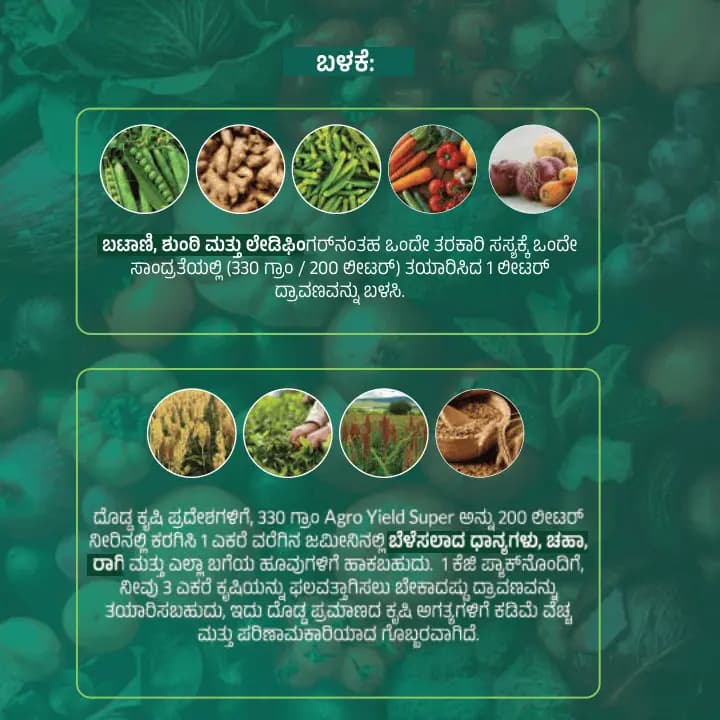
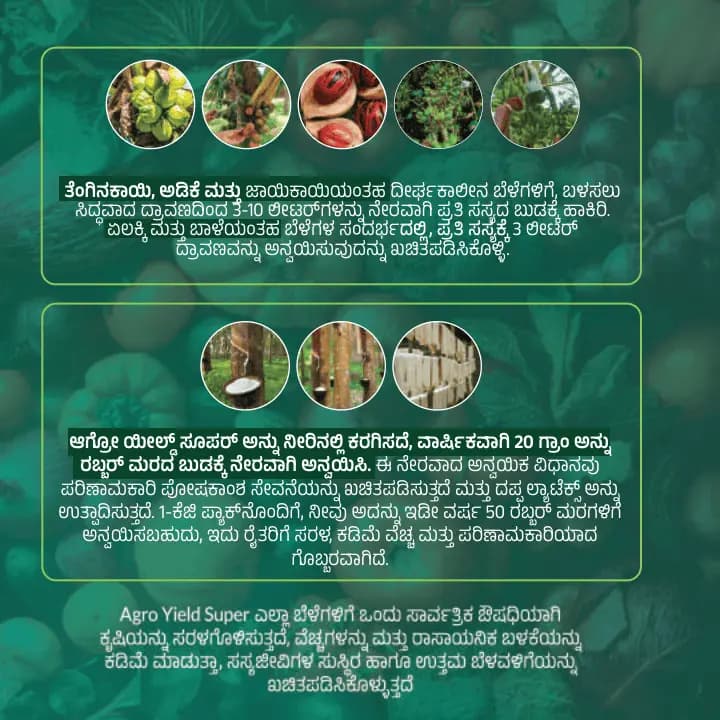
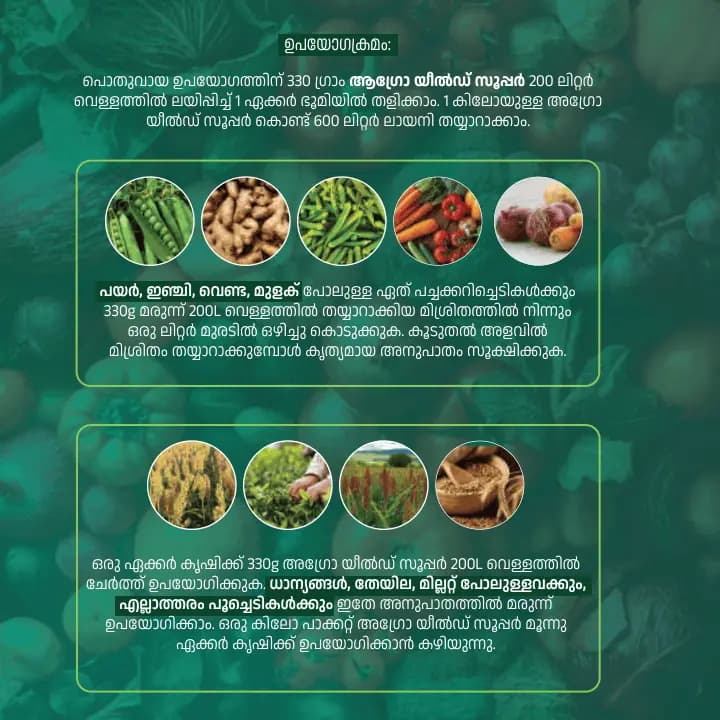
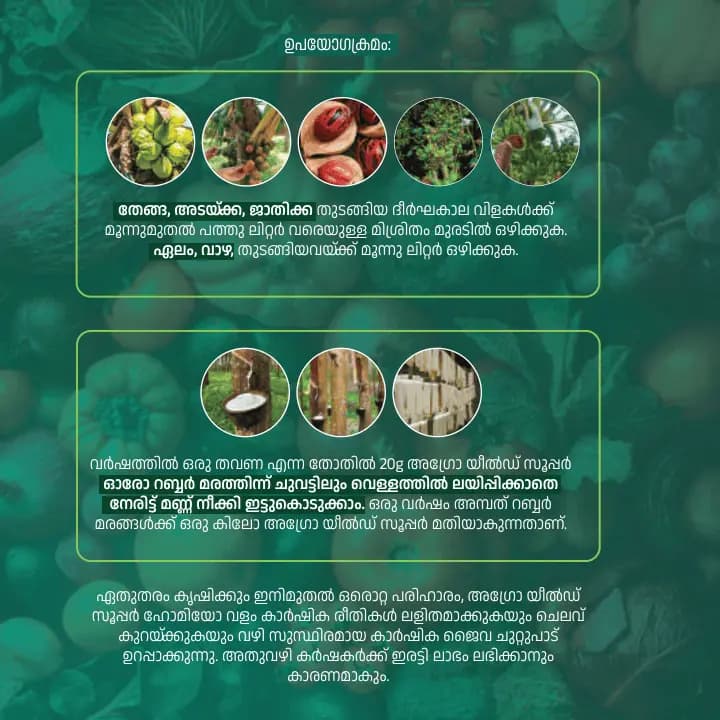
Agrohomoeopathic Intervention: The agrohomoeopathic formulation Agro Yield was adopted as part of regular field management. The remedy was diluted in water as per standard manufacturer directions and applied as a basal drench around the root zone. Applications were repeated periodically based on the plant’s growth phase and seasonal conditions.
Observations were recorded using:
Farmer testimony
Physical assessment of plant vigour
Soil test reports conducted before and after application
Visual evaluation of canopy density, berry set and disease occurrence
The observational assessment in the field trial focused on multiple agronomic and physiological indicators central to crop performance. Particular attention was given to changes in soil physical structure, mineral composition, and microbial activity, as these parameters directly reflect subterranean health and nutrient dynamics. Above ground, the vegetative vigour of the plants and the density of the canopy were monitored to evaluate the robustness of shoot growth and foliage renewal. Reproductive performance was assessed through careful observation of berry set, subsequent berry development, and overall fruit fill, which together indicate the plant’s capacity to convert physiological energy into yield. Simultaneously, the incidence of major fungal diseases and any signs of physiological stress were recorded to understand shifts in plant resilience and immunity. These combined parameters were finally correlated with the total seasonal yield, allowing a comprehensive evaluation of crop response under the treatment period.
Results
Yield Enhancement
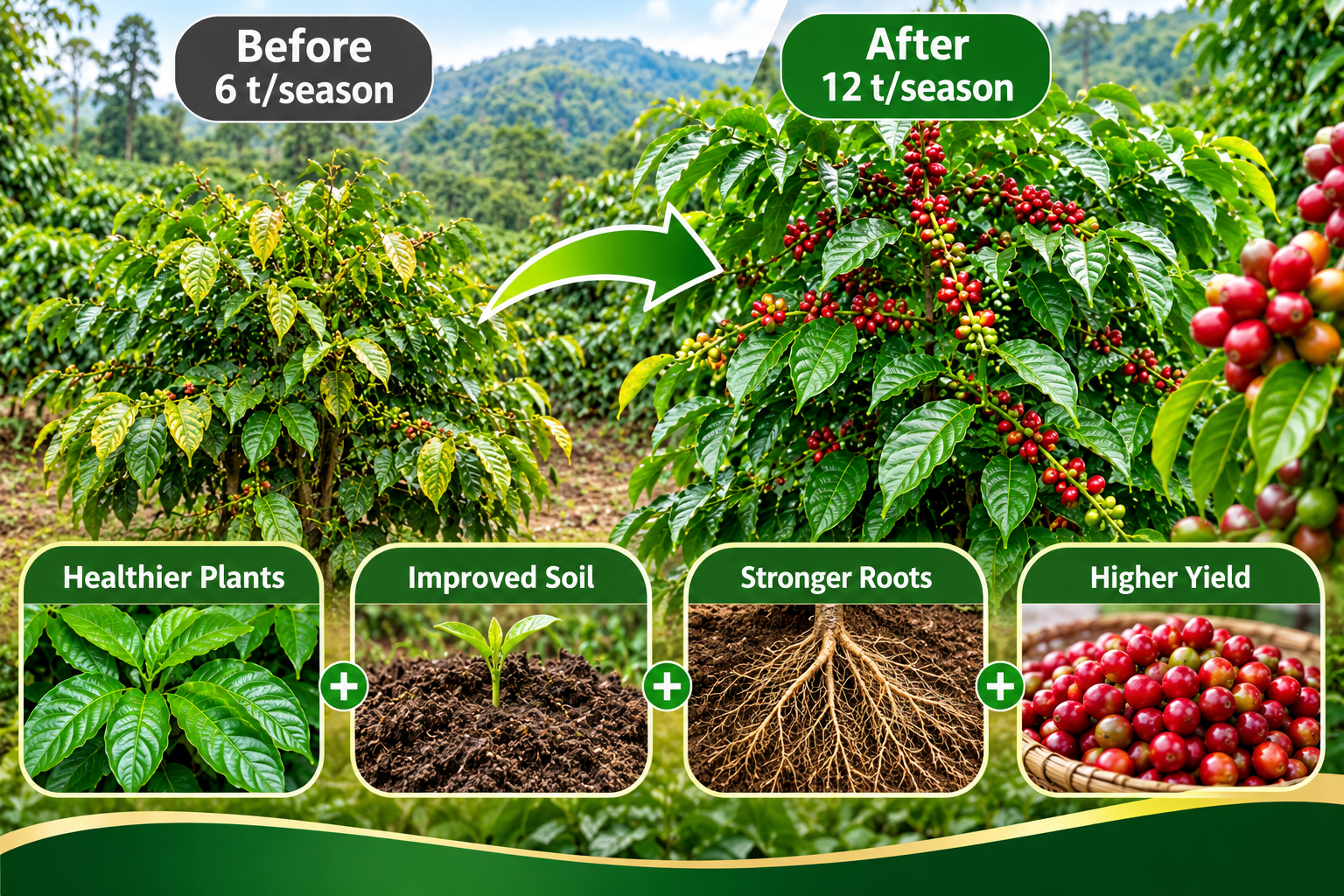
Before the intervention, the farm consistently produced 6 tonnes of coffee beans per season. Following the introduction of Agro Yield, productivity rose steadily to 12 tonnes, effectively doubling the yield without altering the organic cultivation framework.
Soil Quality Improvements
Soil analyses conducted following the application of the remedy revealed marked improvements in overall soil health.
Improved soil aggregation and granular structure
Higher mineral availability, especially essential micro-nutrients
Enhanced cation exchange capacity (CEC)
Revived microbial activity, reflected in improved organic matter cycling
These changes support the hypothesis that agrohomoeopathic remedies may stimulate soil biological processes and nutrient mobilisation.
Plant Health and Disease Resistance
After the introduction of the Agrohomoeopathic intervention, the coffee plants exhibited noticeable improvements in overall physiological performance.
Higher chlorophyll density and deeper green foliage
Reduced incidence of fungal infections commonly seen in Wayanad estates
Stronger systemic immunity, especially during monsoon stress
Improved berry set and uniform maturation
Canopy development was more even, and premature leaf fall decreased significantly.
Physiological Improvements
Field assessments indicated clear physiological improvements following the treatment. Taken together, these physiological indicators align well with the known modes of action attributed to agrohomoeopathic interventions.
Root-hair formation and root network expansion, allowing the plants to anchor better and explore a greater soil volume.
Nutrient uptake efficiency increased, even in nutrient-moderate soils
Enzymatic activation, observed through increased metabolic vigour reflected in faster growth responses and healthier tissue formation.
Water-use efficiency, with plants performing better under mild moisture stress
These physiological markers are consistent with the expected modes of action of agrohomoeopathic treatments.
Discussion
The observable improvements in coffee plant health and yield following Agro Yield application point toward a physiological activation rather than a fertiliser-like nutrient supply. Agrohomoeopathic formulations are believed to act through subtle bio-regulatory pathways—enhancing enzymatic systems, stimulating cellular metabolism, promoting root activity and strengthening immune signalling.
In long-established coffee estates, where soil exhaustion and micronutrient imbalance are limiting factors, such bio-stimulation can significantly improve productivity without increasing input costs. The increase in soil mineral availability and microbial health may indicate that the remedy supports soil ecosystem recovery, a critical factor in long-term organic cultivation.
While the results are encouraging, they arise from field observations rather than controlled experiments. Nevertheless, the alignment between soil test improvements, plant physiological response and substantial yield gain provides a strong preliminary basis for further scientific inquiry.
Limitations
The study is based on a single-case field observation, which limits statistical generalisability. No untreated control plot was maintained beyond natural background comparison.
Conclusion
This case study demonstrates that the agrohomoeopathic formulation Agro Yield may significantly enhance coffee plant vitality, soil quality and overall productivity under organic cultivation in Wayanad. The doubling of yield, improvement in soil health, reduction in disease incidence and enhanced physiological performance collectively suggest that agrohomoeopathic interventions could offer a sustainable adjunct to coffee farming in Kerala.
Buy now : https://manakkalagropharma.com/product/agro-yield-super-1-kg