4 November 2026
Physiological and Pathological Responses of Cardamom to Agrohomoeopathic Remedy: A Multi-Plantation Study in Idukki Dist.
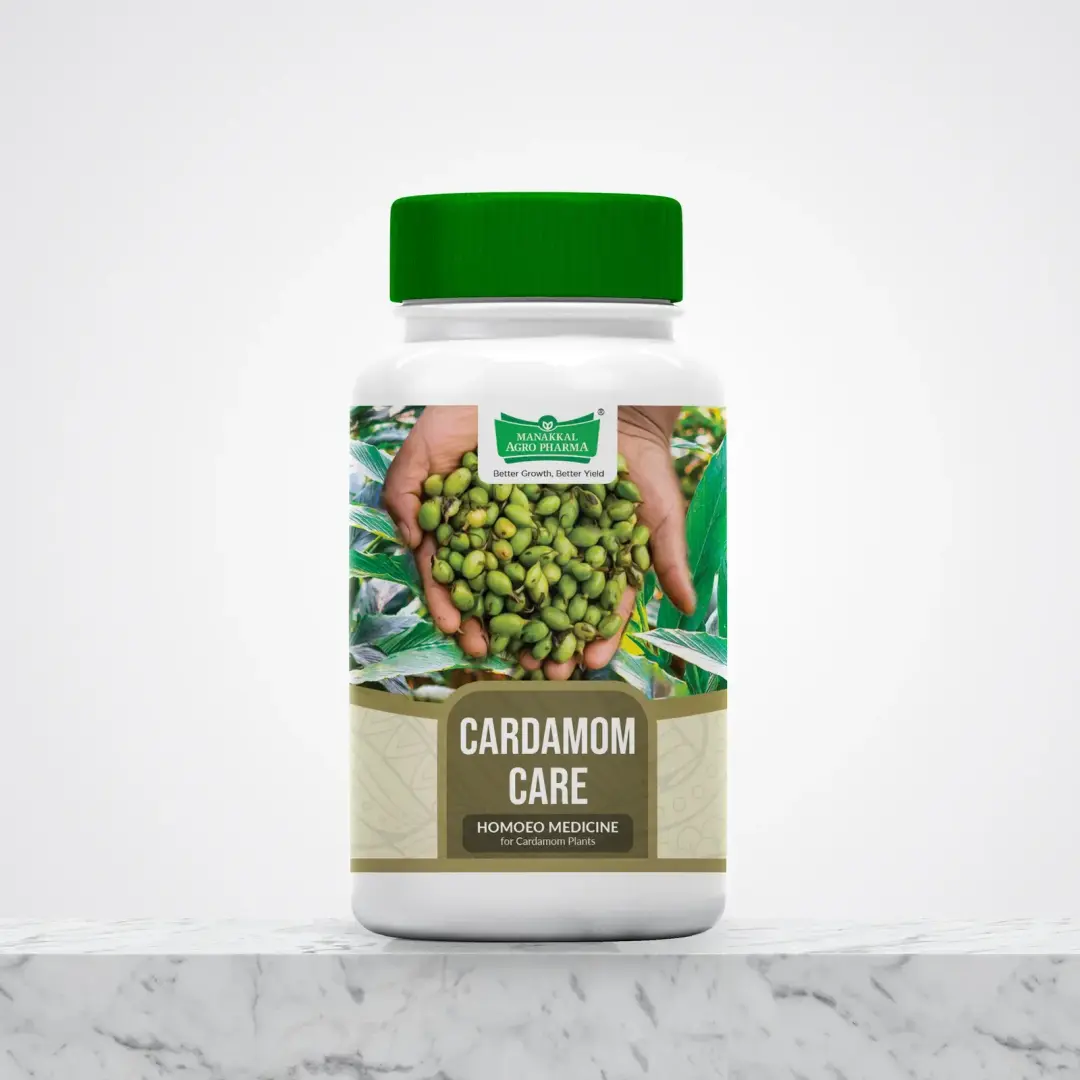
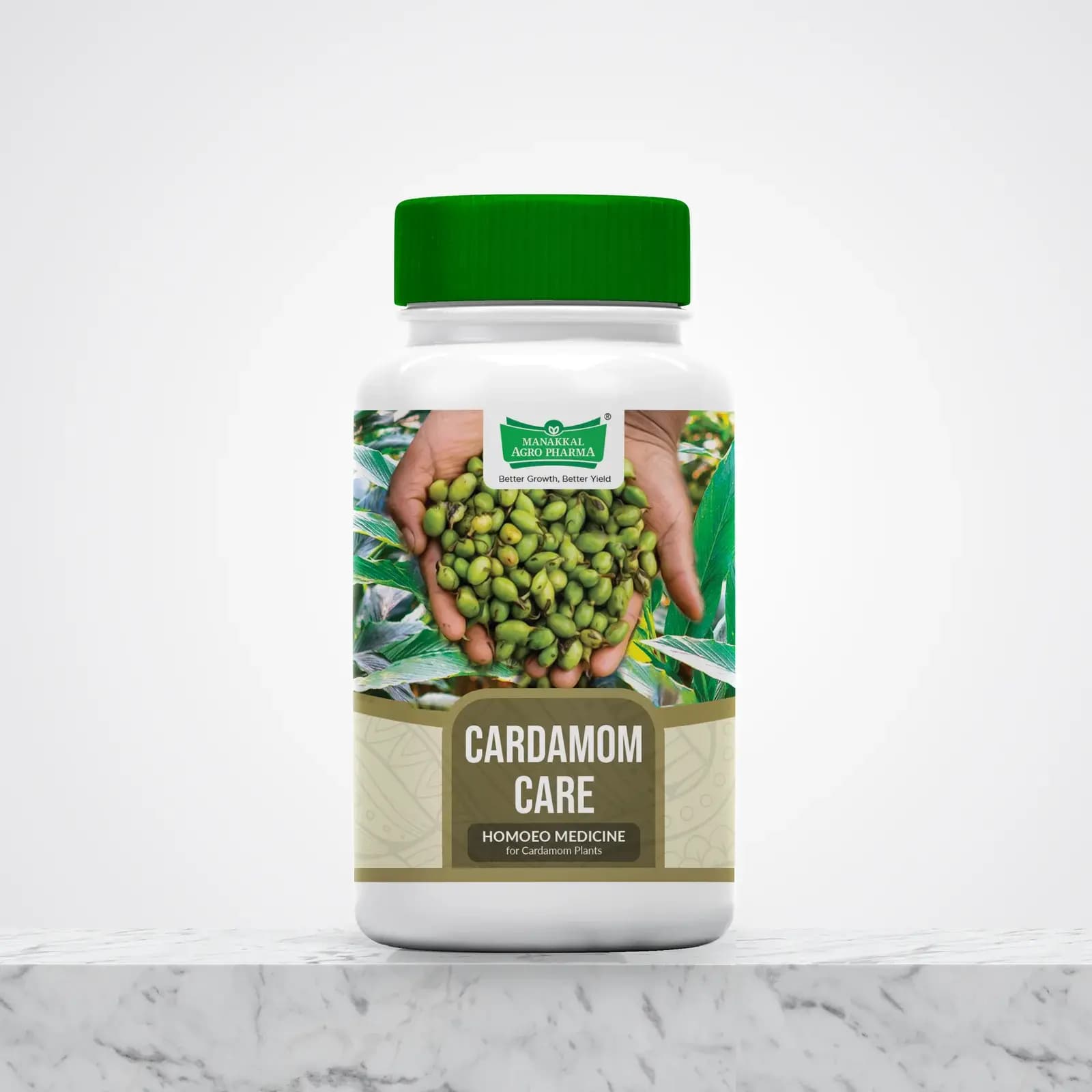
Cardamom Care: Healthier plants, improved yield, stronger resistance
Cardamom cultivation in the high ranges of Idukki district faces chronic threats from diseases such as Fusarium wilt, stem necrosis, capsule rot, rhizome rot, leaf blight, mosaic (Katte), kokke kandu and various pests’ attack. The heavy use of chemical fertilisers and banned pesticides has resulted in resistance development, environmental contamination and long-term soil degradation, with declining yields reported across many plantations in Idukki. This study compiles field-level observations from multiple cardamom farmers in Idukki who adopted agrohomoeopathic formulation, Cardamom Care as an alternative plant-health management strategy. Farmers reported notable improvements including suppression of wilt and rot symptoms, enhanced pest resistance, greener foliage, improved flowering and up to 80 per cent increase in capsule yield. The findings indicate that agrohomoeopathy offers a safe, low-cost and sustainable complementary approach for addressing chronic disease problems in cardamom ecosystems.
Introduction
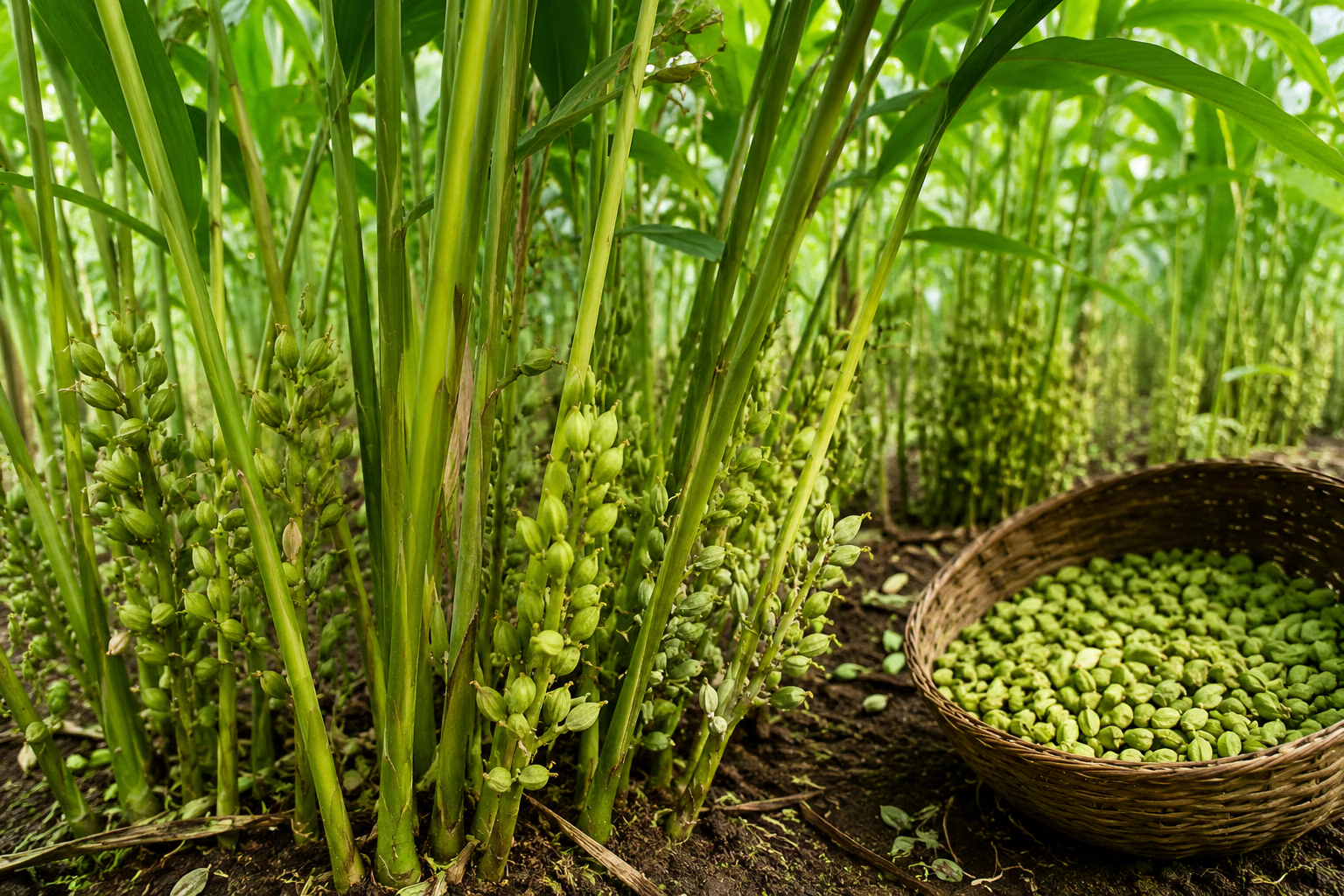
Kerala’s Idukki district is the largest cardamom-producing region in India, supporting thousands of small and medium farmers. Cardamom, though economically valuable, is highly vulnerable to a range of fungal, viral and physiological disorders. In recent decades, the cumulative pressure of Fusarium infections, viral mosaic (Katte), stem necrosis, capsule rot and blight complexes has resulted in yield stagnation and increasing crop loss.
To manage these challenges, farmers have relied heavily on chemical fungicides, soil drenches, antibiotics, pesticides and hormone formulations many of which are banned due to toxicity. Continuous chemical dependency has led to:
Declining soil fertility
Chemical contamination of groundwater and produce
Pathogen resistance to fungicides
Secondary infections emerging after treatment
Declining economic returns
With cardamom ecosystems becoming chemically saturated and ecologically fragile, the need for safer and sustainable plant-health interventions is urgent. Agrohomoeopathy, a plant-focused branch of homoeopathy, presents a promising alternative by aiming to strengthen plant immunity and restore physiological balance without harmful residues. This study documents the experiences of cardamom farmers from Idukki who adopted an agrohomoeopathic remedy Cardamom Care designed by Manakkal Agropharma for managing long-standing disease problems.
Materials and Methods
The agrohomoeopathic formulation Cardamom Care was voluntarily adopted by farmers across plantations of varying sizes in Idukki. The standard method followed included:
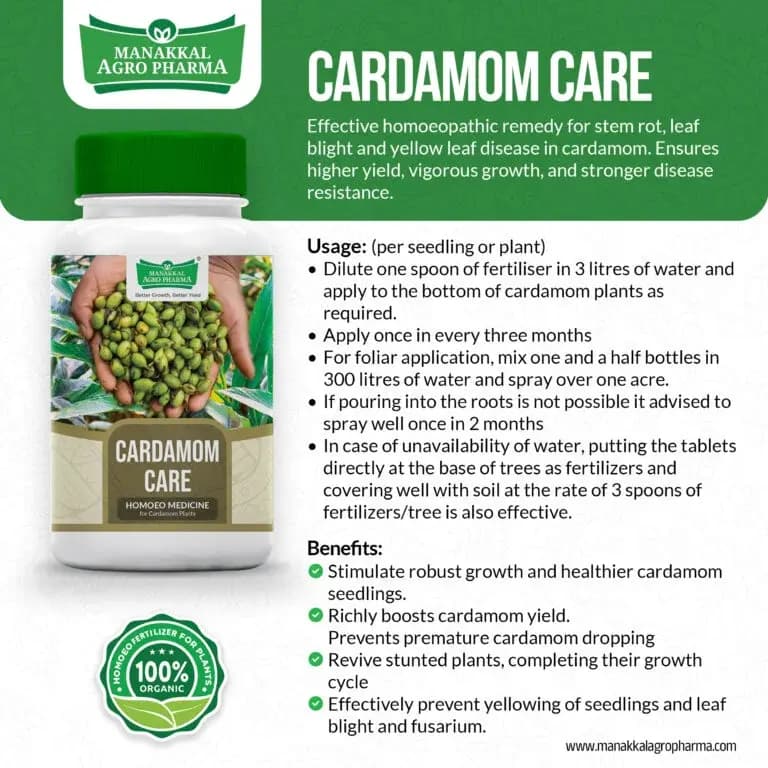
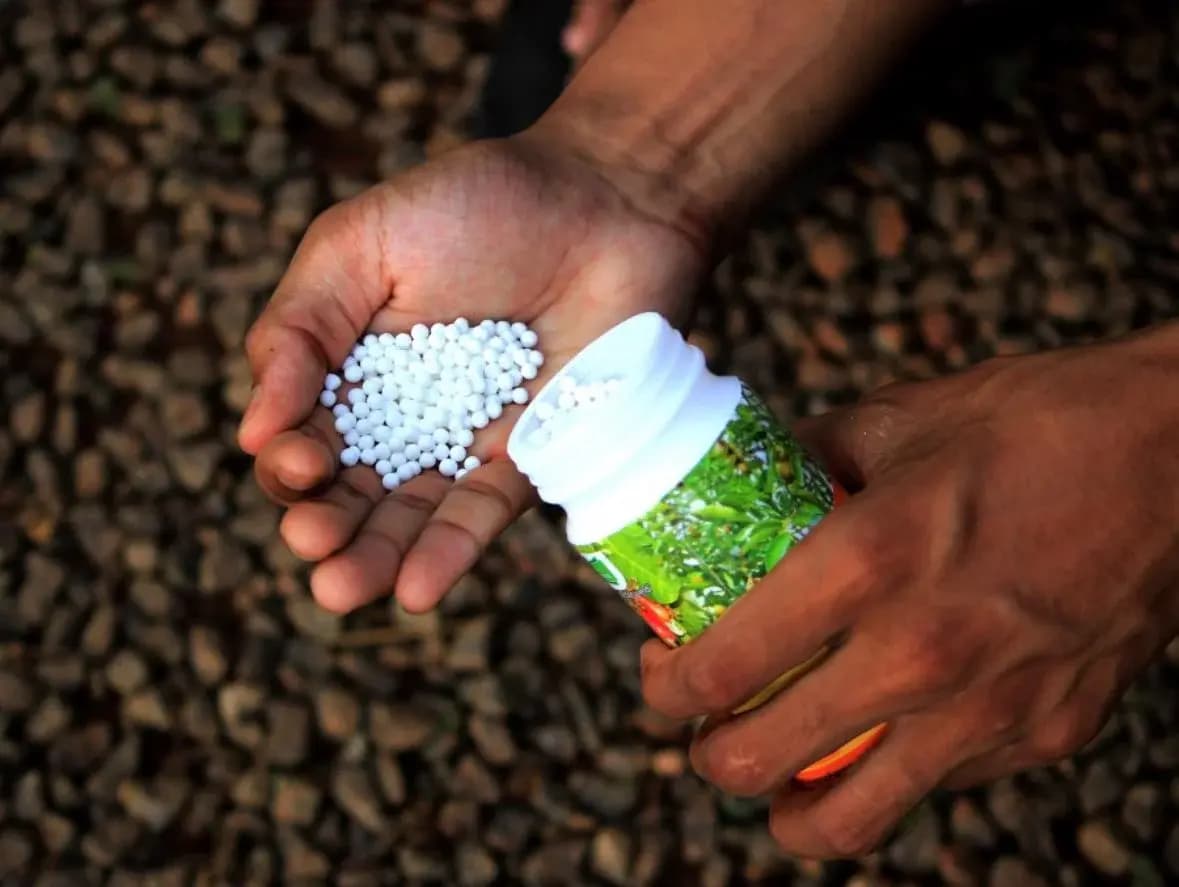
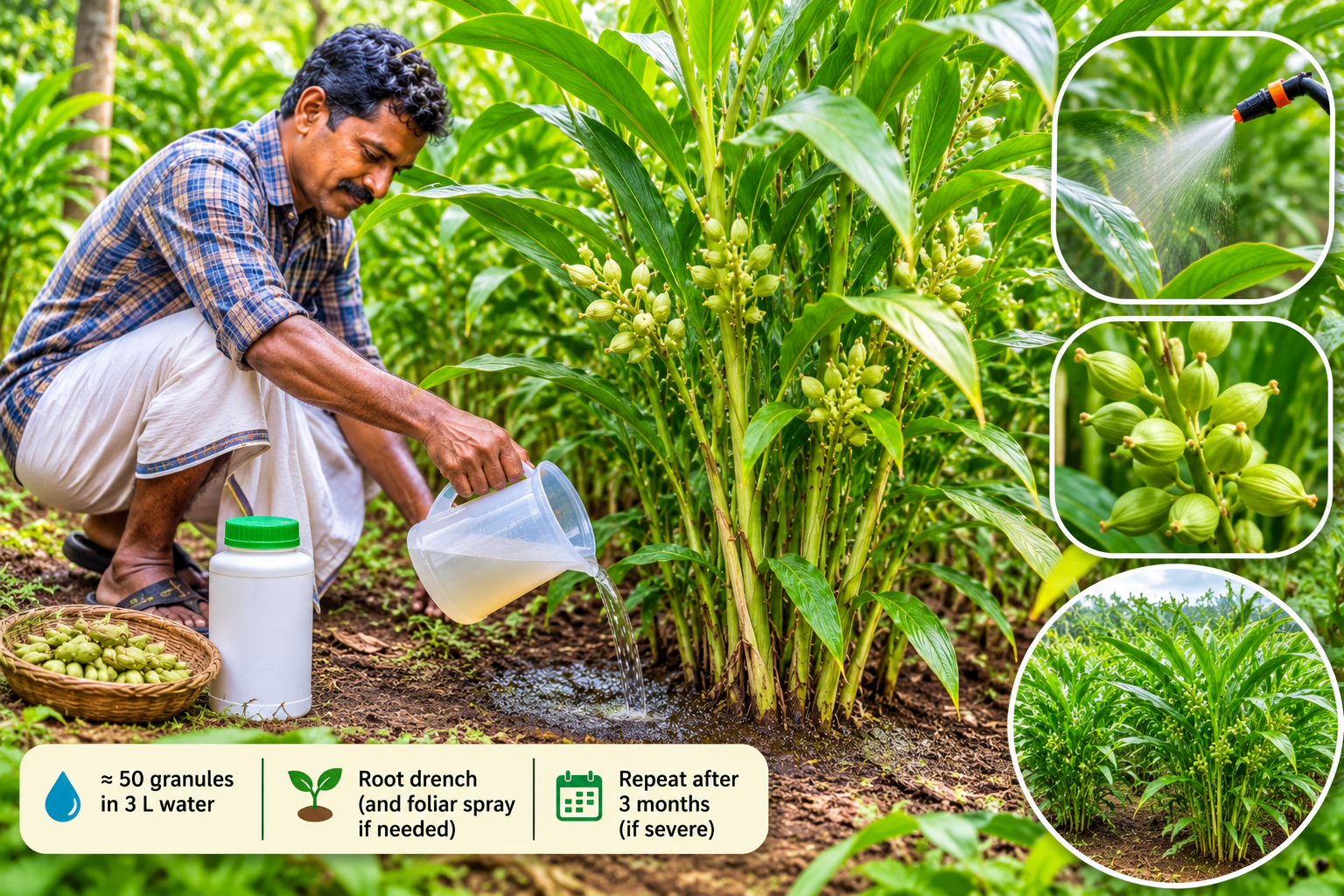
The agrohomoeopathic remedy Cardamom Care was evaluated across diverse plantation settings in Idukki through voluntary farmer adoption. The preparation followed a uniform protocol: approximately 50 granules were dissolved in 3 litres of water or one bottle in 150 litres of water, equivalent to a standard field tank. The solution was applied primarily as a basal drench around the root zone, ensuring direct uptake through the rhizosphere. In plantations experiencing intense leaf blight pressure, farmers additionally used the diluted solution as a light foliar spray to support canopy recovery.
In most holdings, a single application was administered, with a second dose after 3 months in cases of severe stem necrosis, capsule rot or persistent Fusarium wilt.
Plant responses were assessed through changes in new shoot vigour, leaf colour and sheen, reduction of rot symptoms, stem robustness, flowering intensity, capsule size and number, overall plant immunity and stress tolerance and final yield performance. Observations were documented through farmer testimonies, videographic evidence and repeated field visits, enabling qualitative comparison across varied elevations and disease intensities.
Results: Field Observations and Farmer Experiences
Across the cardamom plantations surveyed in Idukki, farmers consistently reported clear and measurable recovery following the application of Cardamom Care. Even in severely distressed fields—many of which had suffered prolonged fungal, viral and physiological disorders, the pattern of improvement was remarkably uniform.
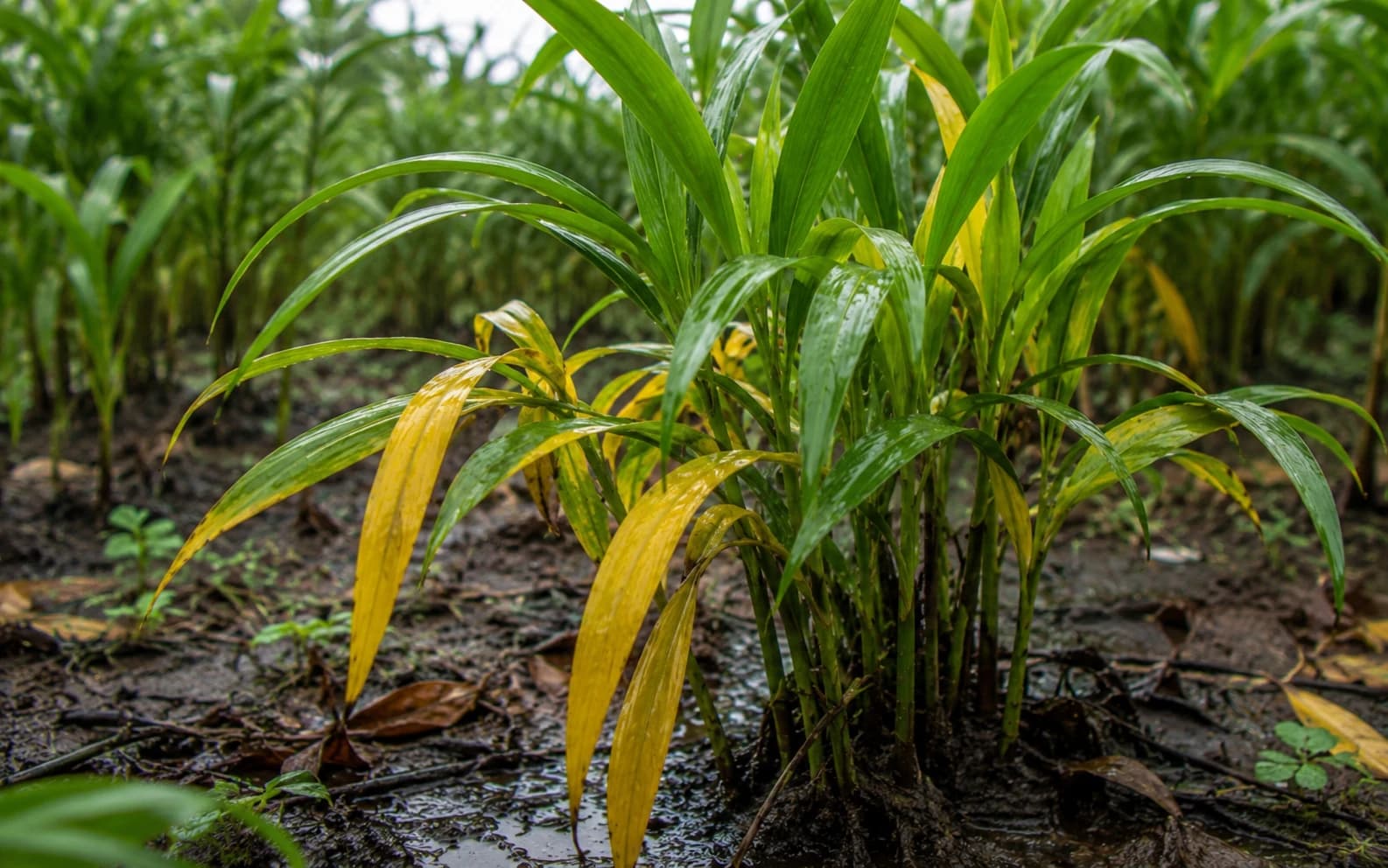
A prominent outcome of the Cardamom Care treatment was the suppression of major diseases that have historically devastated cardamom holdings in the region. Farmers observed that symptoms associated with Fusarium wilt, stem necrosis, capsule rot, rhizome rot and severe leaf blight gradually diminished within weeks of treatment. Likewise, viral-like expressions such as mosaic or katte and deformities associated with kokke kandu were visibly reduced, indicating stabilisation of plant metabolism and possible enhancement of systemic resistance. In several plantations, clumps which had previously collapsed due to rot began producing healthy new tillers, suggesting a restoration of rhizome integrity.
Beyond disease suppression due to enhanced immunity, deeper physiological changes occurred that strengthens plant functioning. Agrohomoeopathic Cardamom Care support improved enzymatic activity, contributing to enhanced nutrient processing, accelerated metabolic correction and quicker restoration from stress. Plants will be more responsive to soil nutrition following treatment, showing increased root-hair, improved vigour, richer leaf pigmentation and more stable flowering behaviour.
Individual farmer accounts offer further insight into this collective trend.
David Barnabas of Pambadumpara documented significant control of stem necrosis, capsule rot, rhizome rot, leaf blight and mosaic-type symptoms. He noted a marked strengthening of plant immunity, better tolerance to intense sunlight, a more compact and bolder crown, and improved flowering behaviour.
Similarly, Aji from Anavilasam, who manages four acres, reported successful recovery from Fusarium wilt, stem necrosis and capsule rot. He recorded an exceptional increase in capsule size and estimated nearly an eighty per cent rise in harvest compared to previous seasons.
For Babu of Anavilasam, who has been using the formulation for five years continuously, productivity gains remain consistent; he reports instances of up to thirty capsules emerging on a single stem—an indication of robust physiological functioning.
In Rajakkad, Joseph experienced the revival of plants that had rotted entirely down to the dust, yet regenerated with healthy foliage after treatment.
Thomas, a retired panchayat secretary from the same locality, observed sustained improvement in stand density and plant strength.
Balakrishnan of Pambadumpara emphasised the striking green vigour that appeared in both young and mature plants,
while Vakkachan of Amaravathi recorded the reversal of chronic blight symptoms along with better capsule formation.
In Kumbummettu, Devasya Chacko reported visible changes within just fifteen days when applying one bottle of the remedy in a 200-litre dilution
. Bobish from Mullakkanam, who left his nursing profession in Bangalore to return to cardamom farming, noted uniform canopy recovery, reduction in wilt complexes and consistent improvement across his three-acre plantation.
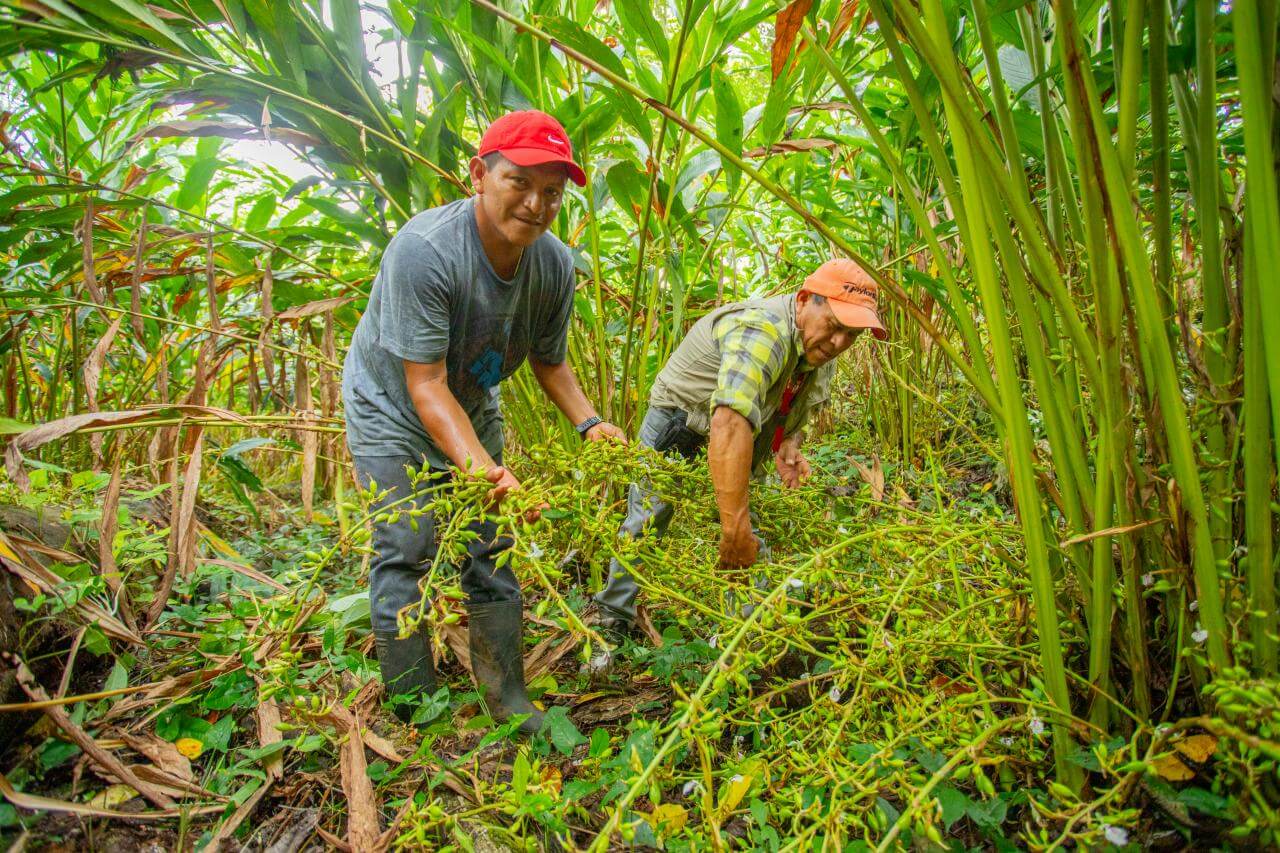
Farmers described stronger stems, reduced sunburn susceptibility, brighter green foliage, enhanced root vitality, more profuse flowering and notable increases in capsule size and count. The emergence of vigorous new tillers further indicated metabolic stability and renewed growth potential.
An equally important outcome was the dramatic reduction in chemical dependency. Several farmers, previously reliant on heavy chemical fertilisers, fungicides and even banned pesticides, reported that they were able to discontinue these inputs entirely after adopting agrohomoeopathic management. This not only lowered cultivation costs but also helped address long-standing concerns of soil toxicity, groundwater contamination and chemical residues in harvested cardamom. For many cultivators, agrohomoeopathy emerged as a safer, sustainable and economically viable alternative capable of restoring plant health without environmental degradation.
Discussion
Cardamom Care brought about subtle yet noticeable changes in the plants’ resilience profile. These changes were reflected in reduced susceptibility to wilt, rot and insect attack, stronger stems, improved tolerance to intense sunlight and more stable overall growth.
The findings suggest that Cardamom Care assists plants in:
Restoring physiological balance through improved enzymatic activity
Enhancing internal defence mechanisms
Improving root activity and nutrient absorption
Reducing pathogen load
Stabilising stress responses
In an ecosystem heavily burdened by chemical load, the introduction of Cardamom Care homoeopathic remedy appears to improve soil–plant interactions and immune responses. While these observations indicate the remedy-induced modulation of defence-related pathways, more controlled scientific trials would be required to characterise the underlying biochemical pathways and improved genetic mechanisms in cardamom plants.
Conclusion
Cardamom farmers across Idukki reported comprehensive improvements in plant health, disease reduction and yield enhancement after adopting Cardamom Care agrohomoeopathic plant-care remedies. Given the widespread deterioration caused by chemical dependency, agrohomoeopathy presents a powerful alternative for sustainable, low-cost and environmentally safe cardamom cultivation. The consistent field evidence indicates the potential for broader adoption and scientific validation.
Buy now : https://manakkalagropharma.com/product/cardamom-care