

5 November 2026
Efficacy of Plantain Prop Remedy in Plantain Disease Resistance and Yield Enhancement; Evidence from Palakkad and Malappuram
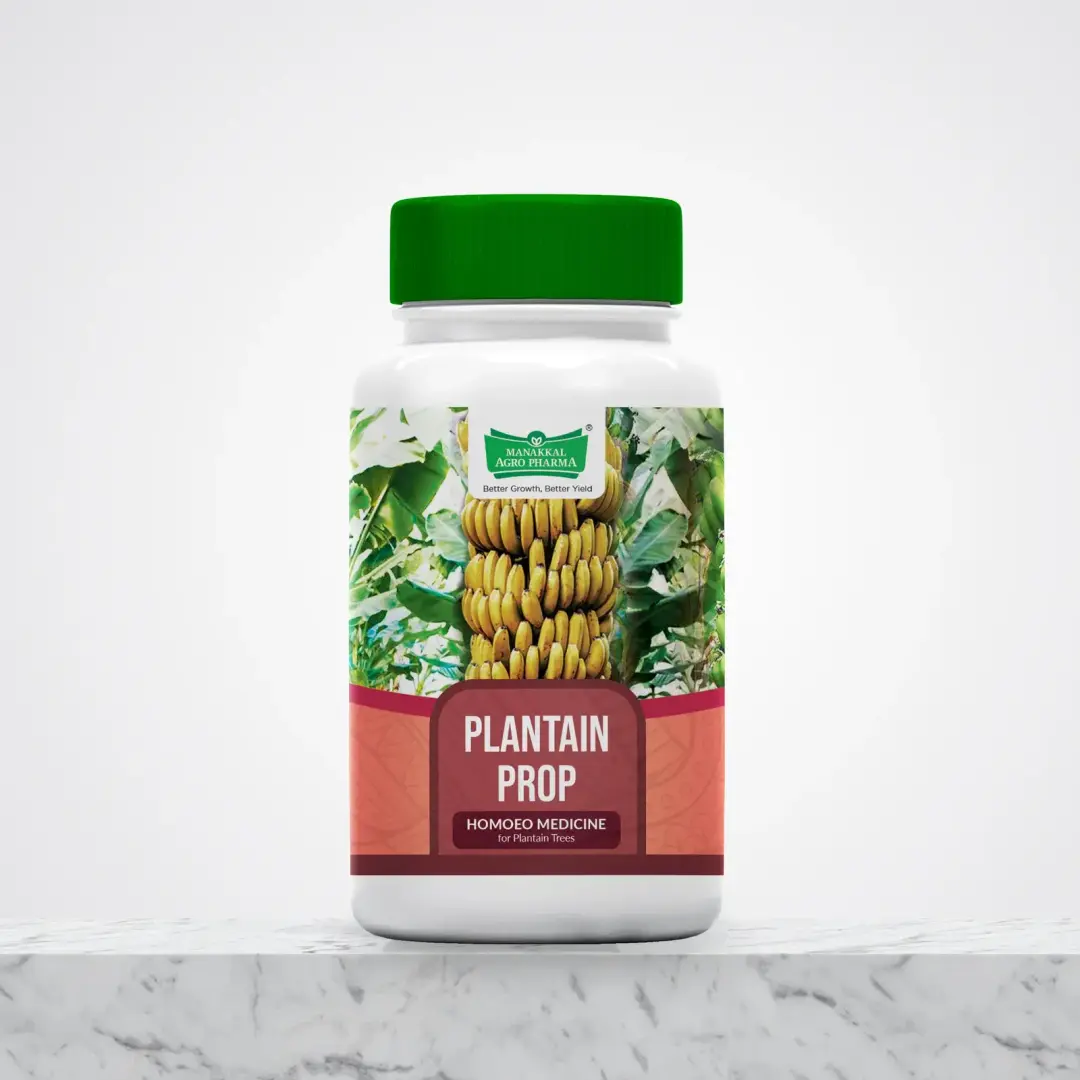
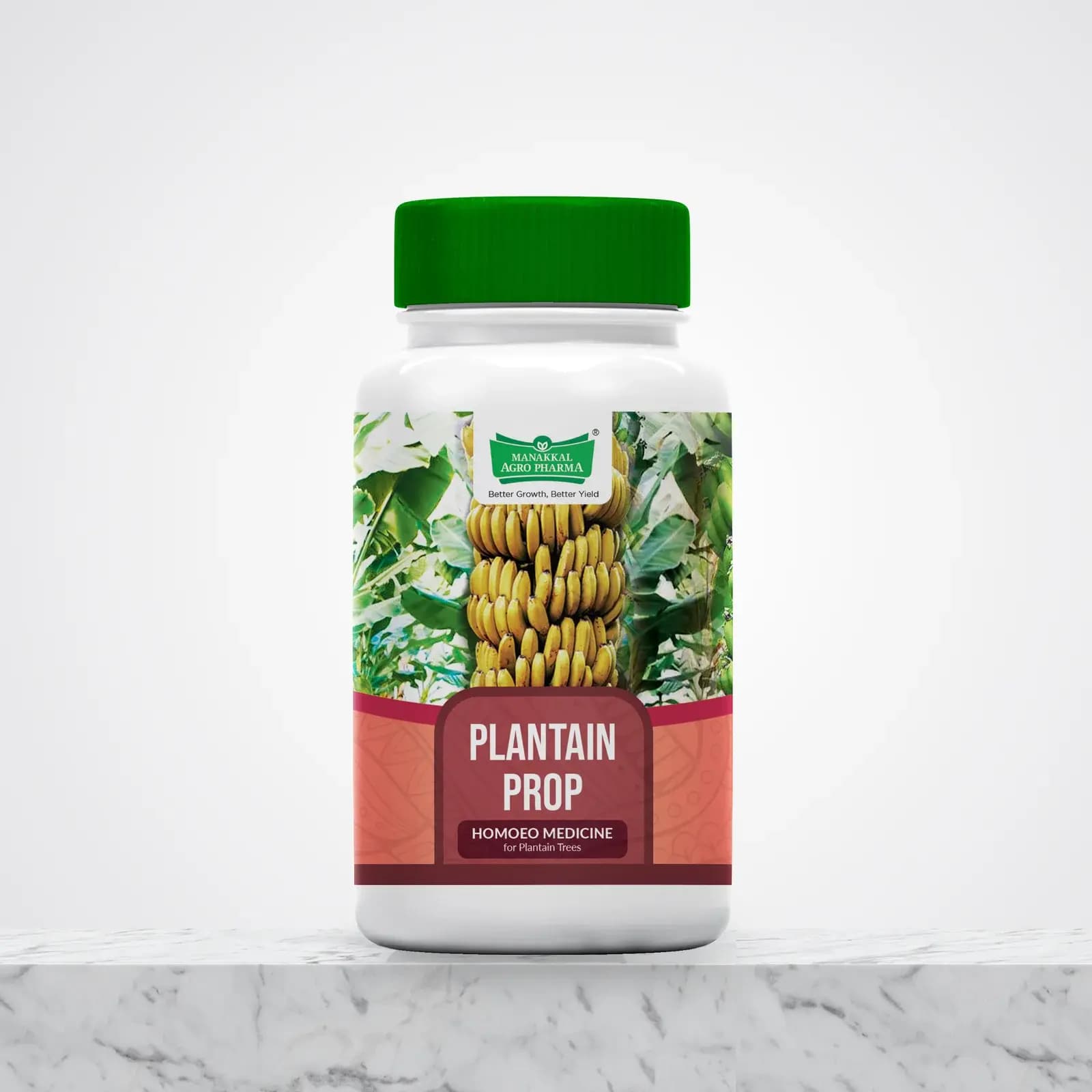
Plantain Prop promotes healthy growth and productivity in banana plants.
Agrohomoeopathy is gaining attention as a sustainable alternative to chemical-based crop management, particularly among small and marginal farmers. This study documents field-level experiences of banana growers in Malappuram and Palakkad districts who adopted Plantain Prop, a homoeopathic formulation designed to enhance plant health, disease resistance and fruiting performance. Farmers reported improved vegetative vigour, rapid height increment, enhanced immunity and recovery from conditions similar to spinal wilt and other growth disorders. The remedy was also valued for its cost-effectiveness, ease of application and ability to reduce chemical dependency. While these testimonies indicate promising potential for agrohomoeopathic interventions in plantain farming, systematic scientific studies are required to validate the physiological mechanisms and long-term impact.
Introduction
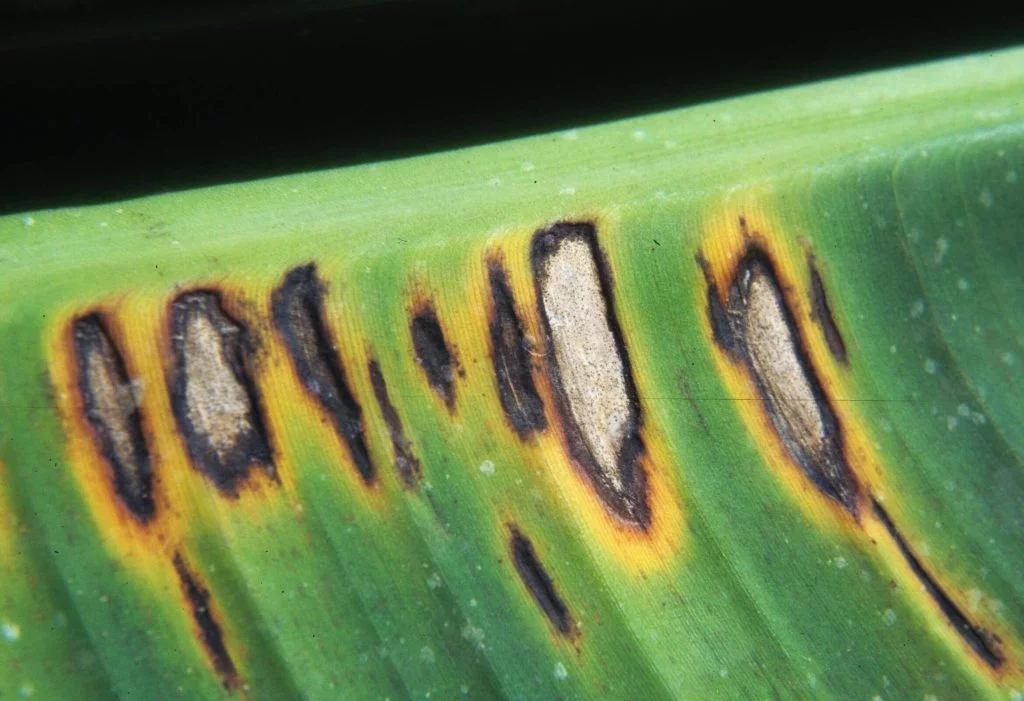
Banana cultivation in Kerala frequently encounters challenges such as leaf spot, stunting disorders, pest infestation, nutrient imbalance and reduced fruiting, many of which demand recurrent chemical interventions. Continuous reliance on pesticides and fertilisers increases costs, burdens labour and contributes to residue accumulation in soil and produce. In this context, agrohomoeopathy has emerged as an alternative approach that aims to energise plant physiology, enhance innate resistance and promote sustainable crop management.
Plantain Prop is an agrohomoeopathic preparation formulated specifically for banana plants. Farmers in Malappuram and Palakkad have increasingly adopted this remedy over recent years. Their field experiences provide valuable insights into the practical effectiveness of agrohomoeopathy under real farming conditions.
This paper consolidates these experiences, analyses observable patterns and discusses the potential role of agrohomoeopathic remedies in contemporary horticultural practices.
Materials and Methods
The study is based on voluntary adoption of Plantain Prop by farmers cultivating banana in Malappuram and Palakkad districts. Data were collected through direct field visits, videographic records and farmer-testimonials.
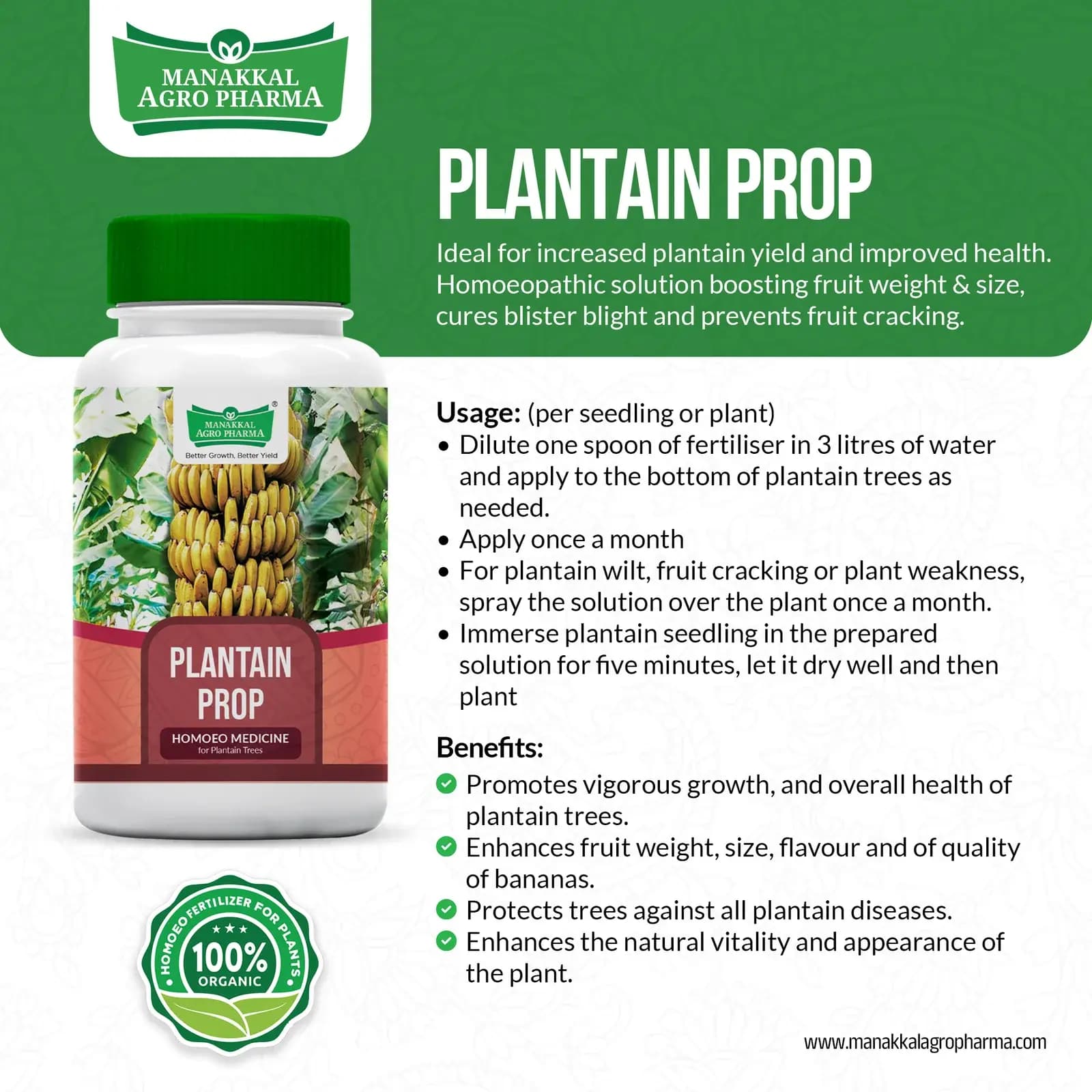
Preparation and Application of the Remedy: Seedlings were treated by dipping them for five minutes or more as needed in a solution prepared by dissolving 50 tablets of Plantain Prop in 2–3 litres of water. In some cases, diluted solutions (3 litres per plant) were applied as basal drench around the root zone during early growth stages.
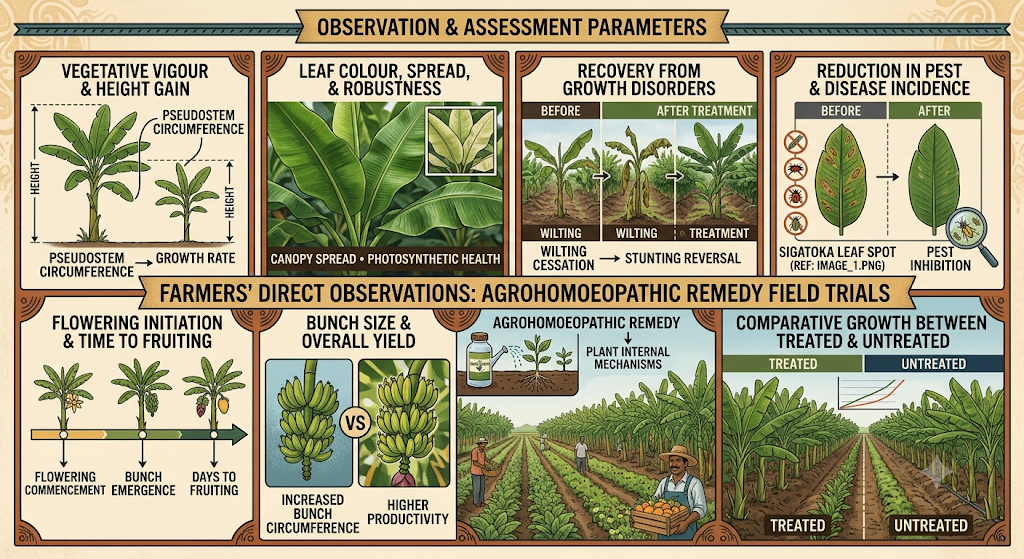
Farmers closely observe their fields and source of firsthand information following the application of the agrohomoeopathic remedy. Particular attention was given to;
Vegetative vigour and height gain
Leaf colour, spread, and overall robustness
Recovery from growth disorders (e.g., symptoms resembling wilt or stunting)
Reduction in pest and disease incidence
Flowering initiation and time to fruiting
Bunch size and overall yield
Comparative growth between treated and untreated plants
The qualitative and experiential nature of these observations reflects the exploratory character of this field-level study and offers preliminary insights into the potential value of agrohomoeopathic interventions in plantain cultivation.
Findings and Inferences
Substantial Improvement in Plant Vigour and Growth Rate
Farmers consistently observed rapid growth within 45–60 days of application. Plants demonstrated improved height, leaf expansion and overall structural strength as reported by Habeeb Areekod. In Palakkad, Mohanan reported that treated plants were one month ahead of untreated plants in terms of flowering and fruit set.
Enhanced Plant Immunity and Disease Recovery
Symptoms resembling spinal wilt (koombadapp), typically linked to microbial infection and spread by banana beetles, showed marked reduction. Habeeb from Areekod noted that previously affected plants recovered and resumed normal growth.
Leaf spot and minor insect infestations were also reported to have decreased significantly, sited in Mohanan’s farmland.
Increased Yield and Fruiting Performance
All testimonies affirmed earlier flowering and improved bunch formation. Vasu from Palakkad, after years of using chemical fertilisers without visible benefit, observed clear and rapid improvement in plants treated with the homoeopathic preparation.
Cost-Effectiveness and Reduced Chemical Dependency
All farmers highlighted significant reduction in fertiliser and pesticide expenses. A batch of 3000 tablets costing ₹300 was sufficient for treating 50 of seedlings, making the remedy highly economical compared to conventional agrochemicals.
Improved Sustainability and Ease of Use
Unlike chemical treatment schedules requiring multiple phases (pre-planting dip, fertiliser rounds, periodic pesticide sprays), Plantain Prop required minimal labour. Farmers described it as “clean”, “easy to apply” and suitable for long-term sustainable farming.

Discussion
The findings indicate that Plantain Prop influences plant physiology in ways that strengthen vegetative and reproductive performance. Farmers repeatedly observed improvements in tissue regeneration, cellular activity, root hair development and overall immunity. As a result;
Better nutrient absorption
Stronger resistance to microbial diseases
Enhanced stress tolerance
More efficient internal energy utilisation
The testimonies also echo broader trends in agrohomoeopathy, where remedies are believed to promote plant self-regulation rather than providing external chemical stimulation.
The case studies demonstrate the potential of agrohomoeopathic remedies to replace or drastically reduce chemical inputs. This is particularly relevant in Kerala’s banana sector, where disease pressure and input costs remain high.
However, while these observations are compelling, they remain field-level and qualitative. Controlled studies are essential to evaluate biochemical pathways, mode of action, and long-term ecological effects.
Limitations
The study is based on farmer testimonies rather than controlled experiments. More research is required to identify the physiological mechanisms through which agrohomoeopathic remedies act, including tissue-level responses, enzymatic activity and immune modulation.
Conclusion
The experiences documented from Malappuram and Palakkad strongly suggest that Plantain Prop has measurable positive effects on plant vigour, disease resistance, flowering and yield in banana cultivation. Its affordability, labour efficiency and environmental friendliness make it an attractive alternative to chemical inputs. While field testimonies provide a promising foundation, further scientific studies—including controlled trials, physiological analyses and long-term evaluations—are essential to validate and deepen understanding of agrohomoeopathic applications in horticulture.
Buy now : https://manakkalagropharma.com/product/plantain-prop